
Midland County is where most of the basin's operators keep their offices, which means the county named after the basin is also the one most owners assume they understand best. That assumption is worth checking before you sell.
The city of Midland is the corporate and logistical hub of the entire Permian Basin, home to the headquarters and regional offices of the operators drilling wells two counties in every direction. Midland County itself, though, is a mix of dense in-town legacy mineral ownership, much of it tracing back to early 20th-century speculation and the Fasken family's long-standing regional holdings, and more actively producing acreage on the county's rural edges where horizontal Wolfcamp and Spraberry development continues.
Because so many small legacy interests in Midland County date back generations, division orders here often carry unusually small decimals, a sixty-fourth or smaller, split repeatedly across heirs since the original speculation-era leases. That fractional pattern is one of the more distinctive features of Midland County mineral ownership compared to counties with more recent, more concentrated ownership.
In-town legacy interests versus rural producing acreage
It's easy to assume mineral value in Midland County tracks the city's visible boom, but the reality is more layered. Interests under and around the city itself are often small, old, and tied to wells that may not have been actively drilled in decades, held in place more by legal technicality than current production. The acreage that's actually seeing new horizontal development tends to be on the county's rural fringes, closer to the boundary with Martin, Midland's neighbor to the north, or Ector to the west, where operators can assemble larger contiguous drilling units.
Knowing which category describes your interest matters enormously for valuation. A small in-town legacy decimal with no recent activity is priced very differently than a fresh horizontal unit interest on the county's edge, even though both show up on a map as Midland County minerals.
Why Midland's operator density is a double-edged sword for sellers
Having every major basin operator's office within a short drive sounds like it should make selling easier, and in some ways it does: information about activity, permits, and comparable transactions moves faster here than almost anywhere else in the basin. But it also means Midland County is one of the most heavily solicited markets for mineral buyers, and owners here get more unsolicited offers, often lowball ones, than owners in quieter counties. The volume of solicitation is not a reflection of your interest's true value, it's a reflection of how easy Midland County addresses are to find.
Treat a Midland County offer with the same scrutiny you'd apply anywhere else. More offers coming in doesn't mean the first one, or even the third one, reflects what a careful buyer would actually pay.
Fasken and the concentration of private ownership
The Fasken family's mineral and surface holdings across Midland County and the surrounding area are among the largest privately held positions in the entire basin, and their presence shapes local leasing dynamics even for owners with no direct connection to the family. Terms negotiated on large private blocks nearby often become the informal benchmark other landmen use when approaching smaller individual owners. It's worth asking a prospective buyer whether they can speak to recent comparable terms in your specific part of the county, rather than accepting a generic basin-wide average.
Title complexity from decades of subdivision
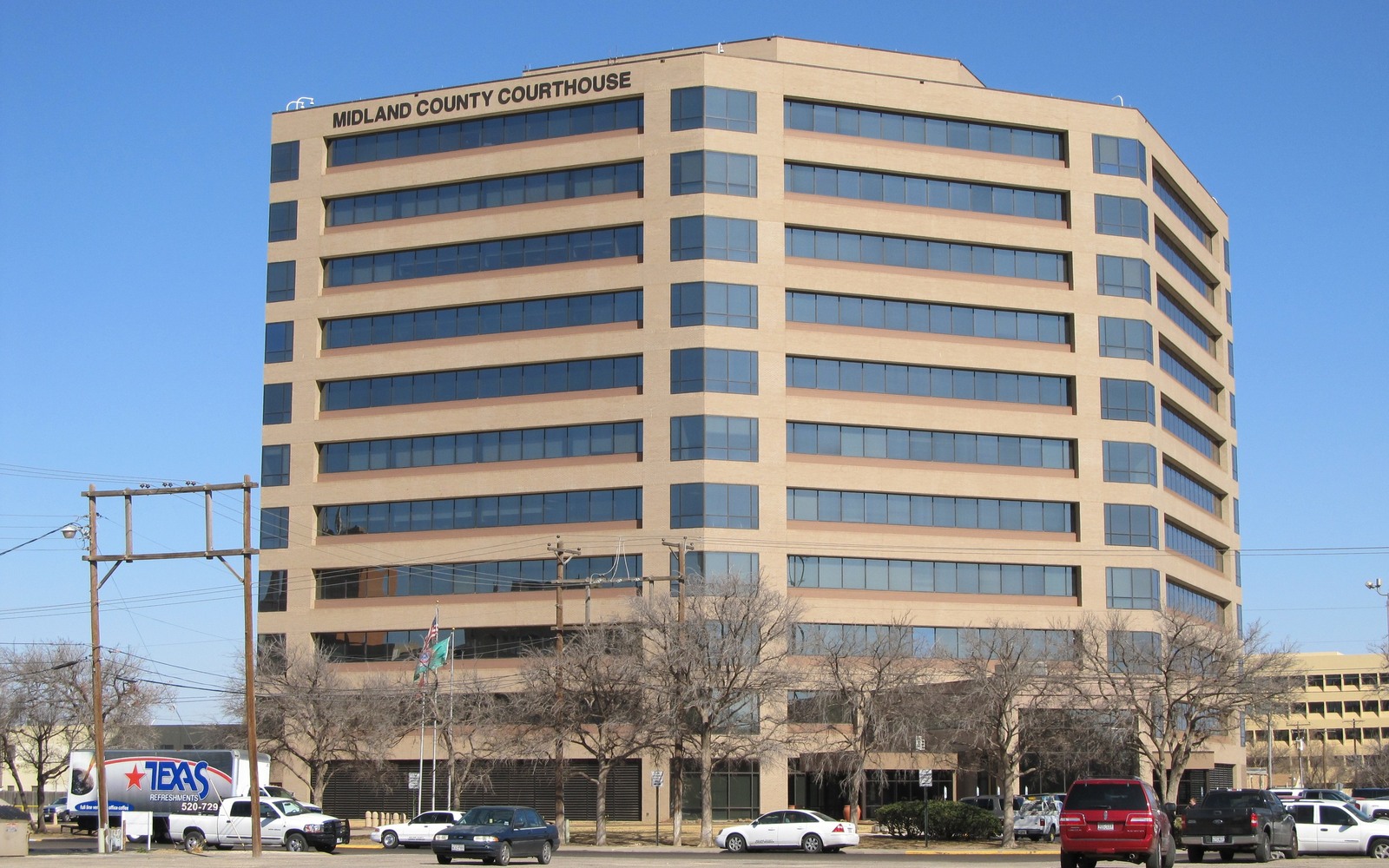
Midland County's courthouse has some of the deepest and most complex mineral records in the basin, simply because ownership here has been divided and re-divided longer than in almost any other county. If your interest has passed through several generations without a clean probate trail, expect a title review to take real time. That's not unusual for the county, and a buyer experienced with Midland County records should be able to work through it methodically rather than treating it as a reason to lowball the offer.
Midland acquisitions desk
Questions Permian Owners Ask
These answers identify the controlling record, basin fact, title exception, timing issue, or offer term that still needs a documented answer.
Does owning minerals in Midland County mean the owner is sitting on active drilling?
Not necessarily. A lot of Midland County mineral ownership is small, legacy interest near or under the city itself, tied to old wells rather than new horizontal units. Active development is more concentrated on the county's rural edges. Check your division order and recent activity before assuming either way.
Why Does an owner get so many unsolicited offers on the owner's Midland County minerals?
Midland County is the most heavily canvassed mineral market in the basin because ownership records are easy to access and the county is the industry's operational center. More offers doesn't mean a higher true value, it means more competition for your attention, so it's still worth getting a careful, well-by-well review.
the owner's interest is a very small fraction, like a sixty-fourth. Is it even worth selling?
Small legacy decimals are common in Midland County given how long ownership here has been subdivided, and they can absolutely still hold value, particularly if there's been recent nearby drilling. The size of the fraction matters less than whether the underlying acreage is currently producing or likely to be developed.
How does the owner's family's interest near Fasken-held land get valued?
Nearby large private positions like Fasken's often set an informal benchmark for lease and royalty terms in the area, which a knowledgeable buyer can reference when discussing your specific tract, even though your interest is entirely separate from theirs.
the owner's title has gaps going back generations, Can an owner still sell?
Usually yes, though it may require probate documentation or a title curative step first. Midland County's courthouse has deep records and buyers experienced with the county can typically work through even a complicated chain.
Next property file
Continue the Permian sale brief
County records, deed schedules, producing evidence, and title questions carry straight into each of these connected reviews.
Contact us
Put This Interest on a Permian Sale Brief
Describe the county and state, interest type, producing status, operator or payor if known, recent checks if available, records already gathered, and the decision window.