
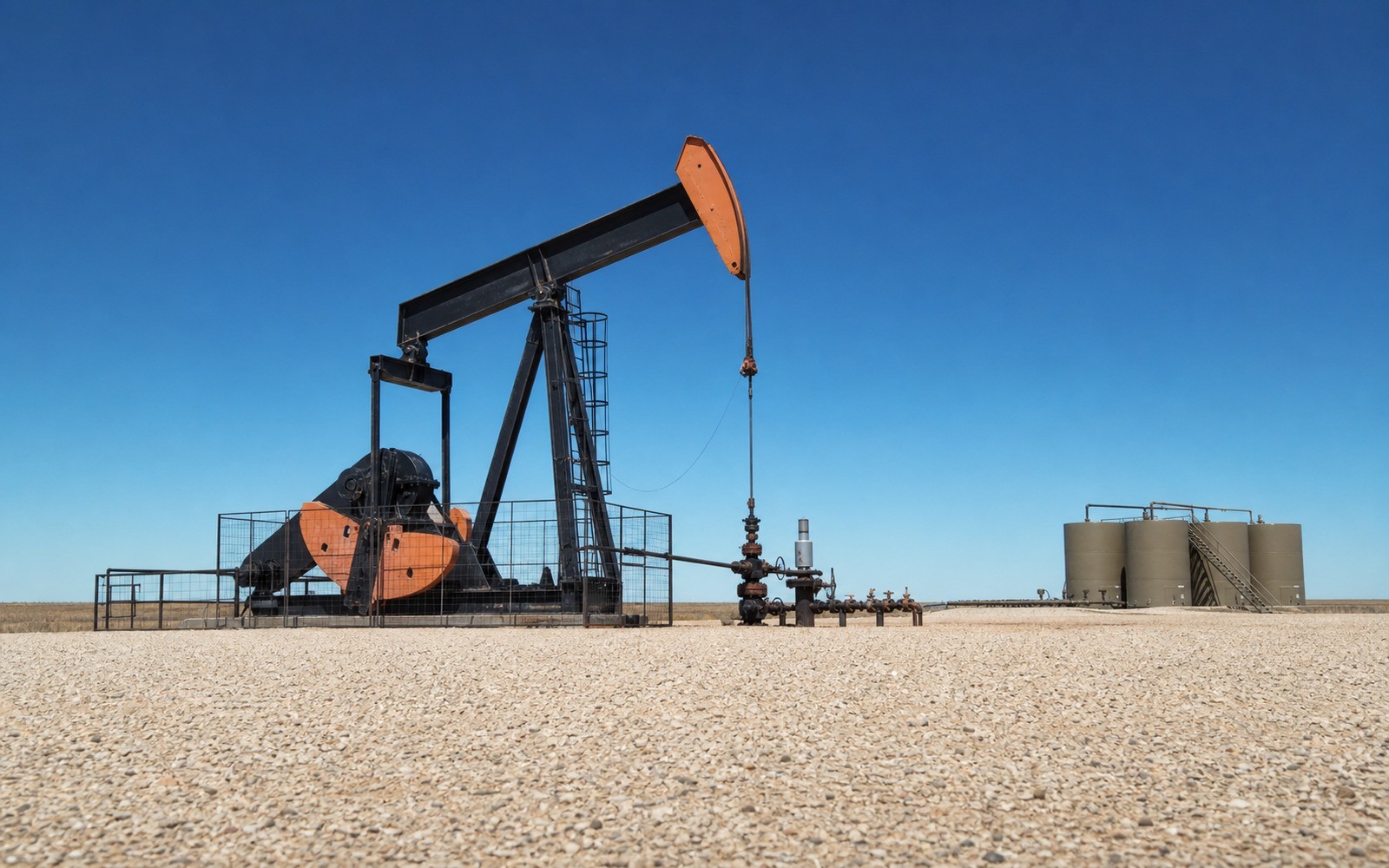
Midland Basin acreage is the most densely drilled ground in the Permian, and that density is the single biggest factor in what your minerals are worth.
Midland, Martin, Howard, Glasscock, Reagan, and Upton County form the core of the Midland Basin, sitting east of the Central Basin Platform on the shallower, more uniformly developed side of the play. Wolfcamp A and B and the Spraberry intervals have been drilled here for over a decade, which means most tracts already have offset production history a buyer can point to directly rather than modeling from analogs.
That maturity cuts both ways for a seller. It means less guesswork in the valuation, since your acreage is likely sitting near several producing horizontal wells with real decline curves attached. It also means the easiest, highest-graded locations may already be drilled, so a buyer is weighing how much drilling inventory is left under your specific tract rather than whether the basin is active in general.
Density as the core value driver
Midland County and the core of Martin County have among the tightest horizontal spacing in the Lower 48, with multiple wells per section stacked across Wolfcamp A and Wolfcamp B intervals. That density is good news if your minerals sit inside a fully developed block, since a buyer can price against comparable, already-producing laterals with several years of decline data instead of speculative type curves.
It's a different conversation if your tract sits at the edge of that developed core, in Glasscock or Reagan County where spacing is less dense or Howard County where the play thins. A buyer there is pricing more remaining upside, but also more uncertainty about pace, and that typically shows up as a wider range on the initial quote rather than a single confident number.
Who has been active across the core counties
Midland and Martin County have historically seen the heaviest pad-drilling activity from large-scale Permian operators running continuous multi-rig programs, which tends to mean faster, more predictable development timelines for minerals inside their acreage position. Glasscock and Reagan County see a mix of larger operators and smaller independents, with development pace tied more closely to commodity price cycles than in the core.
Howard County sits on the northern edge of productive Wolfcamp rock and has historically drawn more selective drilling, which matters if your paper is there. Knowing which operator holds the lease on or near your tract, and how active their recent permitting has been, tells you more about timing than any basin-wide headline.
What moves a Midland quote up or down
Net royalty acres, whether your minerals are currently leased and at what royalty rate, proximity to recent completions, and how many benches remain undrilled under your specific section all factor into the number. A tract with a recent offset completion within the last twelve to eighteen months and an unleased or high-royalty lease position typically draws a stronger multiple than comparable acreage with stale production history and an old, low-royalty lease still in effect.
Title clarity matters just as much as geology. Undivided interests among multiple heirs, unresolved probate, or a decades-old deed without a clean chain of title all add a curative step before a deal can close, even when the rock itself is strong.
Midland acquisitions desk
Questions Permian Owners Ask
These answers identify the controlling record, basin fact, title exception, timing issue, or offer term that still needs a documented answer.
Why is Midland Basin acreage generally considered more mature than Delaware?
Midland Basin development started earlier and the shallower, less pressured rock made drilling cheaper and faster in the early horizontal years, so the core counties have a longer offset production history. That maturity gives buyers more comparable data, but it also means more of the easiest locations may already be drilled.
Does a fully developed section mean the owner's Midland minerals are worth less?
Not necessarily. A fully developed section with strong, recent production history can price well because the buyer isn't guessing, they're pricing against real decline curves on wells already producing under your acreage. What lowers a quote is a section with no remaining undrilled benches and aging production.
Which Midland Basin counties see the most current drilling?
Midland and Martin County have historically carried the densest pad-drilling activity, with Glasscock, Reagan, and Upton County active but generally at a lower rig pace. Howard County sits at the play's edge and sees more selective activity.
How does an existing lease affect what the owner is offered for Midland minerals?
The royalty rate, term remaining, and whether the lease is held by production all matter. A high-royalty lease with recent activity nearby generally supports a stronger quote than an old, low-royalty lease with no current drilling, since the buyer is stepping into whatever terms are already in place.
What Midland County records Should an owner gather before getting a quote?
Your deed, a current division order or recent check stub if the interest is producing, and the legal description including section, block, and survey. A buyer can pull county and Railroad Commission records once they have the legal description, but having your own paperwork ready speeds the process.
Next property file
Continue the Permian sale brief
County records, deed schedules, producing evidence, and title questions carry straight into each of these connected reviews.
Contact us
Put This Interest on a Permian Sale Brief
Describe the county and state, interest type, producing status, operator or payor if known, recent checks if available, records already gathered, and the decision window.