
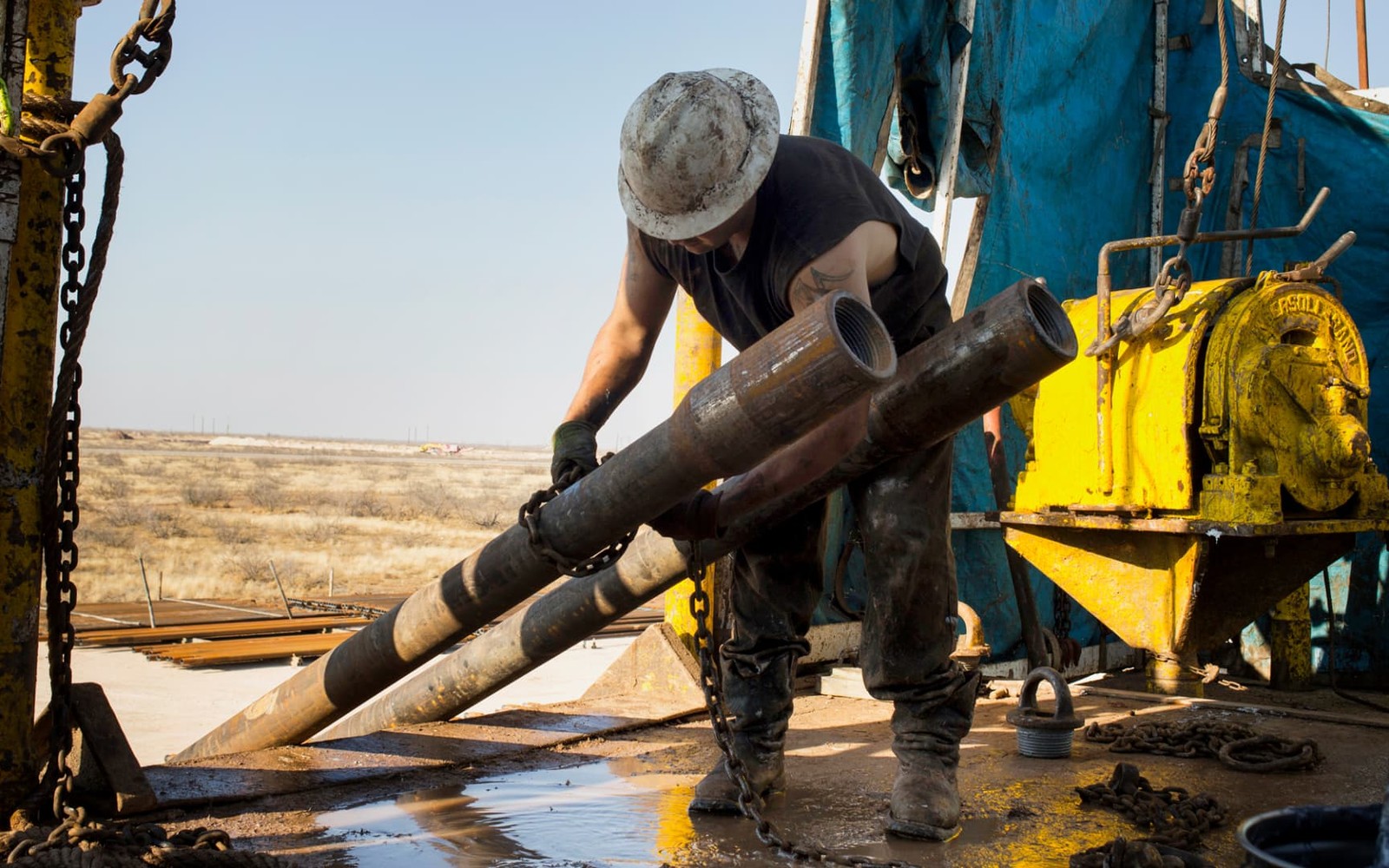
Martin County doesn't get the name recognition of Midland or Reeves, but it's some of the most actively drilled ground in the Midland Basin. Position, not proximity to a city, is what sets the value here.
Stanton is the county seat, a small town north of Midland proper, and Martin County itself sits in the northern core of the Midland Basin, where Wolfcamp and Spraberry horizontal development has been steady for years. It's not a flank county waiting for activity to arrive; it's already been through multiple rounds of pad development across much of its acreage. That maturity is a big part of why owners here tend to have more well history to work with than owners in less developed counties.
Ownership in Martin County follows a familiar West Texas pattern: large historical ranching interests, some family-held for generations, sitting alongside more recently acquired institutional and private mineral positions built up over the past horizontal drilling boom. Knowing which category your interest falls into changes what kind of documentation a buyer is going to ask for.
Consolidation among operators changed who you're negotiating with
Martin County has seen substantial operator consolidation in recent years, most notably the merger activity that brought large legacy independents under bigger integrated companies. For a mineral owner, that consolidation means fewer, larger counterparties controlling development decisions across bigger contiguous blocks, which can actually mean more predictable, better-capitalized development than the days when smaller operators with tighter budgets controlled the same acreage. It also means comparable lease and division order terms tend to be more consistent from unit to unit than in a county with a dozen smaller operators each doing things differently.
The practical upside for a seller is that a buyer can usually get a clearer read on what's likely to happen next on your specific tract, because a smaller number of larger operators are publicly disclosing development plans and permit activity across their positions.
Wolfcamp bench stacking and what it means for your decimal
Much of Martin County's more recent development has focused on stacking multiple Wolfcamp benches under the same acreage, sometimes with several horizontal wells targeting different depths within the same section. If you own minerals under a heavily developed section, it's worth understanding whether your royalty decimal applies across all benches uniformly or whether different wells were pooled into different units with slightly different acreage allocations. This is exactly the kind of detail that gets missed in a quick offer and can meaningfully change your number.
A careful buyer will walk through each producing wellbore on your tract individually rather than quoting you a single blended figure based on your most recent check.
Stanton, Tarzan, and the rural sections between them
Outside of Stanton, Martin County is mostly agricultural and ranching land overlaying dense oilfield development, and much of the acreage between the small towns has seen pad drilling activity even though there's little surface population to notice it. If your family's interest traces back to a ranch that's been in the same hands for generations, expect the county's oil and gas history to run parallel to, rather than through, the ranching history, with lease and royalty terms that were often negotiated separately from any surface agreements.
What buyers look for in a Martin County offer
Given the density of development, buyers pricing Martin County minerals typically want to see recent check stubs across multiple wells if you have them, beyond a single division order. If your interest spans several producing units, gathering that full picture before you talk to a buyer, rather than letting them work from partial information, generally gets you a more accurate first offer instead of a lowball number that gets revised upward after they do their own research.
Midland acquisitions desk
Questions Permian Owners Ask
These answers identify the controlling record, basin fact, title exception, timing issue, or offer term that still needs a documented answer.
Is Martin County part of the core Midland Basin or a flank county?
Core. Martin County has had steady Wolfcamp and Spraberry horizontal development for years, and much of the county's acreage has already seen multiple rounds of pad drilling, unlike flank counties still waiting for their first horizontal units.
Why does the owner's Martin County royalty statement list more than one well?
Multi-well pad development is common here, and Wolfcamp bench stacking means several horizontal wells can be producing from the same general acreage at different depths. Each well may pay a slightly different decimal depending on how the unit was formed.
Does operator consolidation in the county affect the owner's mineral value?
It can help, since larger, better-capitalized operators tend to bring more predictable, continued development than smaller companies with tighter budgets. It also usually means more consistent lease terms across neighboring units, which makes comps easier to establish.
How does an owner know if the owner's interest is under an active drilling unit?
Recent Railroad Commission permits and unit filings for your section are public record, and a landman can check current activity even if your most recent royalty check hasn't reflected new drilling yet.
Should an owner sell the owner's whole interest or just part of it?
That depends on whether you want to keep exposure to future Wolfcamp development on the acreage or prefer a lump sum now. A partial sale can make sense if part of your section is already fully developed and part still has undrilled bench potential.
Next property file
Continue the Permian sale brief
County records, deed schedules, producing evidence, and title questions carry straight into each of these connected reviews.
Contact us
Put This Interest on a Permian Sale Brief
Describe the county and state, interest type, producing status, operator or payor if known, recent checks if available, records already gathered, and the decision window.