
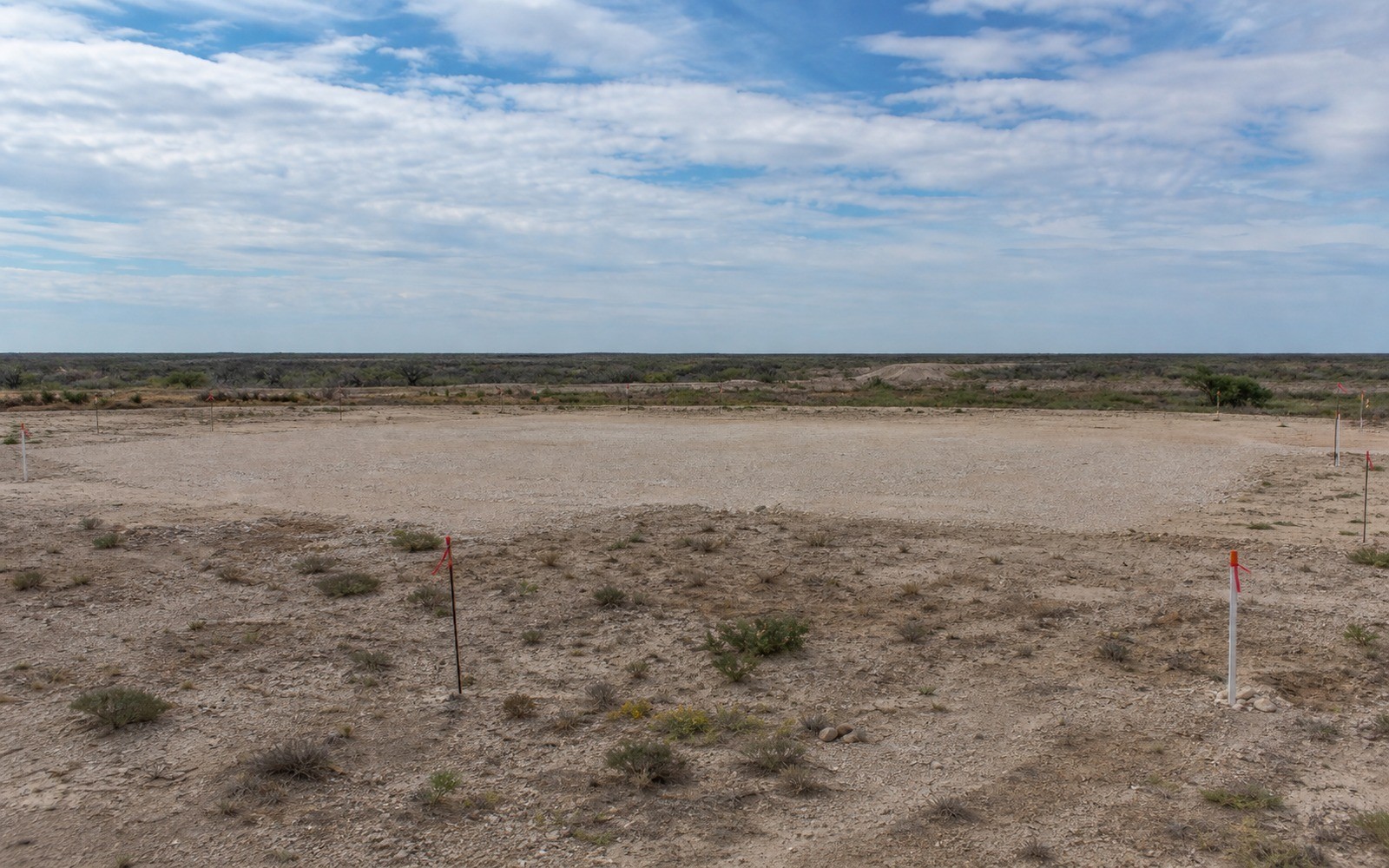
You signed the lease, cashed the bonus check, and now you're waiting, which is exactly the position a lot of Permian mineral owners find themselves in.
A signed lease means an operator has paid for the right to drill your minerals within a set term, typically three to five years, but it doesn't obligate them to actually drill on any particular timeline. Some leased acreage gets a well within the first year. Other leased acreage sits untouched until the lease is close to expiring, or expires without a well ever being drilled.
For a mineral owner, that gap between signing and drilling is uncertain, and it's a common point where owners decide to sell rather than continue waiting on a timeline they don't control.
What the lease terms tell a buyer
The royalty rate in your lease, the primary term length and how much of it remains, and whether there's a pugh clause or continuous drilling requirement all shape a buyer's valuation. A higher royalty rate locked in for the life of the lease is worth more than a lower one, since a buyer stepping into your position inherits those exact terms. Time remaining on the lease matters too, since a lease close to expiring without a permit filed carries more uncertainty than one with several years left and recent offset activity nearby.
If a permit has already been filed on your unit or an adjacent one, that's one of the strongest signals a buyer looks for, since it suggests drilling is imminent rather than speculative.
Why sell before the well is drilled
Some owners choose to sell precisely because a well hasn't been drilled yet, converting the uncertainty of a future royalty stream into a fixed number today. Others wait, betting that a producing well will support a materially higher valuation than an undrilled lease. Both are reasonable positions, and the right call depends on how confident you are in the timeline, how much offset activity is happening nearby, and whether you'd rather have certainty now or upside later.
It's worth noting that once a well is drilled and producing, the interest is valued very differently, against actual production and decline data rather than lease terms and permit activity. A buyer will typically pay more per acre for a proven, producing interest than an undrilled one, but that premium isn't guaranteed and depends on how the well actually performs.
What to have on hand
A copy of the lease itself, the bonus and royalty terms, and any correspondence from the operator about permits or planned activity. If you're unsure where the lease stands, the county clerk's office where the lease is recorded, or the operator directly, can usually confirm whether the primary term is still active.
What a pugh clause means for your specific tract
Some leases include a pugh clause, which limits the lease to only the acreage or depths actually held by production, releasing the rest back to the mineral owner once the primary term ends. If your lease has one, it's worth knowing which portion of your interest, if any, is actually being held by a producing well versus sitting undeveloped and potentially reverting. A buyer will factor this distinction into the valuation rather than treating the whole tract as uniformly leased.
Midland acquisitions desk
Questions Permian Owners Ask
These answers identify the controlling record, basin fact, title exception, timing issue, or offer term that still needs a documented answer.
Can an owner sell mineral rights that are leased but have no well on them yet?
Yes. A leased, undrilled interest transfers along with the lease terms to the new owner, and it's a common category of transaction. A buyer values it based on the lease terms, time remaining, and nearby permitting or offset activity.
Does selling before a well is drilled mean the owner lose out on future royalty?
It means you're trading a future, uncertain royalty stream for a fixed amount now. If the well turns out to be strong, you would have made more by holding. If the well is weak or never gets drilled, you would have been better off selling. There's no way to know in advance which outcome plays out.
What if the owner's lease is about to expire with no well drilled?
A lease nearing expiration without a permit filed generally carries less value to a buyer than one with active drilling nearby, since there's a real chance the acreage reverts to unleased status. If that happens, you're free to negotiate a new lease or sell the mineral rights outright.
Does a filed drilling permit increase what the owner will be offered?
Generally yes. A permit on your unit or an adjacent one is one of the clearest signals that drilling is likely to happen soon, and buyers typically price that closer to a producing interest than a purely speculative one.
Does an owner need the operator's permission to sell the owner's leased mineral rights?
No. The lease is a contract between you and the operator for drilling rights, but you retain ownership of the mineral estate itself and can sell it to a third party without operator consent, subject to whatever notice provisions your specific lease may contain.
Will the buyer take over the owner's existing lease If an owner sells?
Yes. Selling the mineral rights transfers your position under the existing lease to the buyer, including whatever royalty rate and terms were already negotiated. The operator continues operating under the same lease; only the mineral owner behind it changes.
Next property file
Continue the Permian sale brief
County records, deed schedules, producing evidence, and title questions carry straight into each of these connected reviews.
Contact us
Put This Interest on a Permian Sale Brief
Describe the county and state, interest type, producing status, operator or payor if known, recent checks if available, records already gathered, and the decision window.