
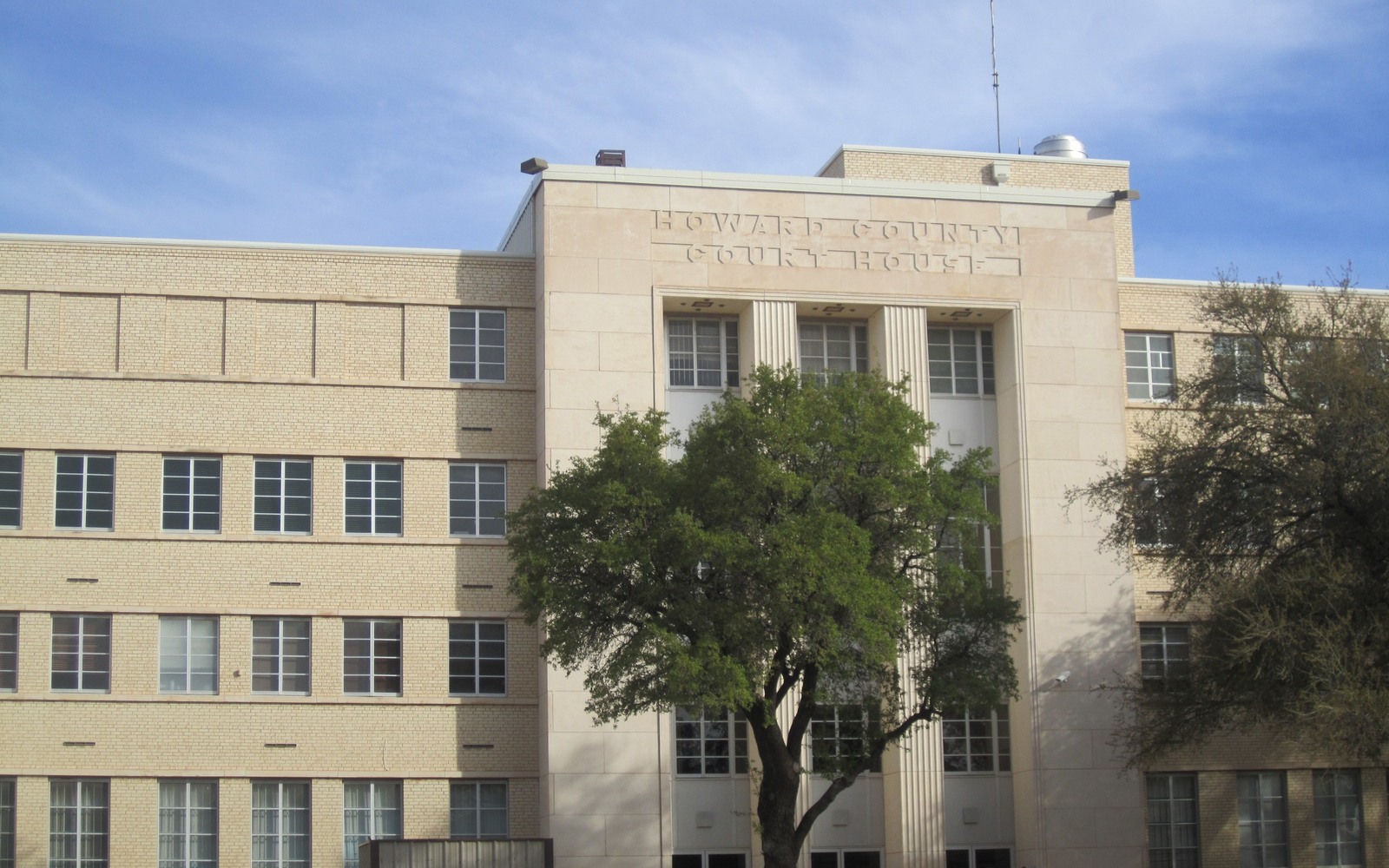
Howard County has been producing since the 1950s, which means most tracts here carry decades of vertical history before a single horizontal lateral ever touched them. That layering changes how a buyer reads the file.
Big Spring anchors Howard County, and the county's oil identity goes back further than most of the Midland Basin. The Spraberry Trend was defined here and in the surrounding counties in the 1950s, and Howard County wells have been on the books through multiple commodity cycles since. That long production history is both an asset and a complication when you're trying to value a mineral or royalty interest.
It's an asset because a well with sixty years of production data gives an analyst a real decline curve to underwrite instead of a type-curve guess. It's a complication because Howard County acreage is frequently held by production from old vertical wells drilled long before anyone thought about Wolfcamp benches or 10,000-foot laterals, and those legacy wellbores can sit directly under newer horizontal units without the two ever being unitized cleanly. Getting a fair number requires someone who will actually pull the well files instead of running a spreadsheet against a generic type curve.
Vertical legacy stacked under horizontal development
Coahoma, Forsan, and the rural sections around Big Spring all have a similar profile: a grid of 1950s-through-1980s vertical Spraberry and Clearfork wells, many still producing at stripper-well rates, with newer Wolfcamp horizontals drilled into the same sections over the past decade. When a horizontal unit is formed on top of acreage already held by an old vertical, the royalty math gets layered. You may have a small legacy interest paying a modest but steady check from the vertical well, and a separate, larger decimal tied to the new horizontal that hasn't been drilled yet or is still early in its decline.
A buyer pricing that kind of tract has to separate the two revenue streams and value them on different curves, not blend them into one average. If someone hands you a single number without asking which wellbore is paying what, that's the tell they skipped the file.
What operators are doing in the county
Howard County sits toward the northeastern edge of core Midland Basin development, with activity that has ebbed and flowed more with commodity price than the more insulated core counties to the west. Operators active across the broader Howard-Martin-Glasscock corridor have consolidated considerably in recent years, and Fasken's large private position in the area has kept a meaningful share of Howard County minerals and leasehold under one family operator rather than spread across a dozen public companies. That concentration matters for a seller because it narrows who you're negotiating against, and it means lease terms in your neighborhood tend to look similar from unit to unit rather than varying wildly.
Rig activity here moves in step with the broader Midland Basin rather than leading it. When you see a lateral permitted near your tract, that's a meaningful signal a unit is coming, but Howard County doesn't have the near-continuous development pace of counties closer to the basin's core, so gaps between drilling waves are normal and don't necessarily mean your interest has been shelved.
Reading a Howard County division order
Because so much of the county has decades of split history, division orders here often carry decimals that trace back through multiple probates, oil and gas leases signed by grandparents, and pooled units that were formed before digital county records existed. Howard County's courthouse records go back far enough that a title run can take real time, and it's common to find an interest that was never formally probated, just informally divided among heirs for decades.
If your family's interest has that kind of history, expect any serious buyer to ask for probate documents, an affidavit of heirship, or a title curative step before closing. That's not a stall tactic, it's what protects both sides once the transaction is recorded. A buyer who skips that step is either not planning to actually record the deed cleanly, or is going to come back later with a title problem.
Selling all or part of a legacy interest
Owners in Howard County often ask whether to sell the whole interest or just the piece tied to one well. That decision usually comes down to whether the vertical production is winding down and the horizontal upside is the reason you're getting an offer at all, or whether the old well is still the steady part of the check and the new unit is speculative. A partial sale, keeping the producing decimal and selling the undeveloped or newly-unitized piece, can make sense when you want to keep some current cash flow but capture value on acreage that hasn't been drilled yet.
The right structure depends on your specific decimal history and what's actually been permitted near you, not on a generic rule of thumb, so it's worth walking through your division order line by line before deciding.
Midland acquisitions desk
Questions Permian Owners Ask
These answers identify the controlling record, basin fact, title exception, timing issue, or offer term that still needs a documented answer.
Why does the owner's Howard County royalty check look small compared to what the owner hears about the Permian Basin?
If your interest is tied to an old vertical well from the 1960s or 1970s, it's likely well into its decline curve and producing at stripper rates, a fraction of what a new horizontal well makes in its first year. That doesn't mean the mineral interest itself is worth little, it means the current cash flow reflects an old wellbore, and the value of any undeveloped horizontal potential underneath it has to be assessed separately.
Is the owner's land held by production from a well the owner has never heard of?
It's common in Howard County for a lease to be held by production from a vertical well drilled decades ago that current owners never see mentioned. A title or division order review will show which wellbore is holding your lease and whether it's still producing enough to keep it valid.
Does an owner need a lawyer to sell mineral rights in Howard County?
You're not required to have one, but if your interest has an unclear probate history, which is common in a county with this much legacy production, a landman or attorney familiar with Howard County records can save you from a title problem after closing. Any reputable buyer will tell you the same thing.
How does an owner find out if a new horizontal well is planned near the owner's Howard County tract?
Texas Railroad Commission permit filings are public and searchable by county, and a landman can also check for recent leasing activity or unit filings near your specific section. That activity is usually the leading indicator before any drilling shows up on a royalty statement.
What documents Should an owner gather before getting an offer?
Recent royalty check stubs or division order statements, any lease you signed or inherited, and probate or heirship documents if the interest passed through family. Having those ready lets a buyer give you a real number instead of a rough estimate on the first call.
Next property file
Continue the Permian sale brief
County records, deed schedules, producing evidence, and title questions carry straight into each of these connected reviews.
Contact us
Put This Interest on a Permian Sale Brief
Describe the county and state, interest type, producing status, operator or payor if known, recent checks if available, records already gathered, and the decision window.