
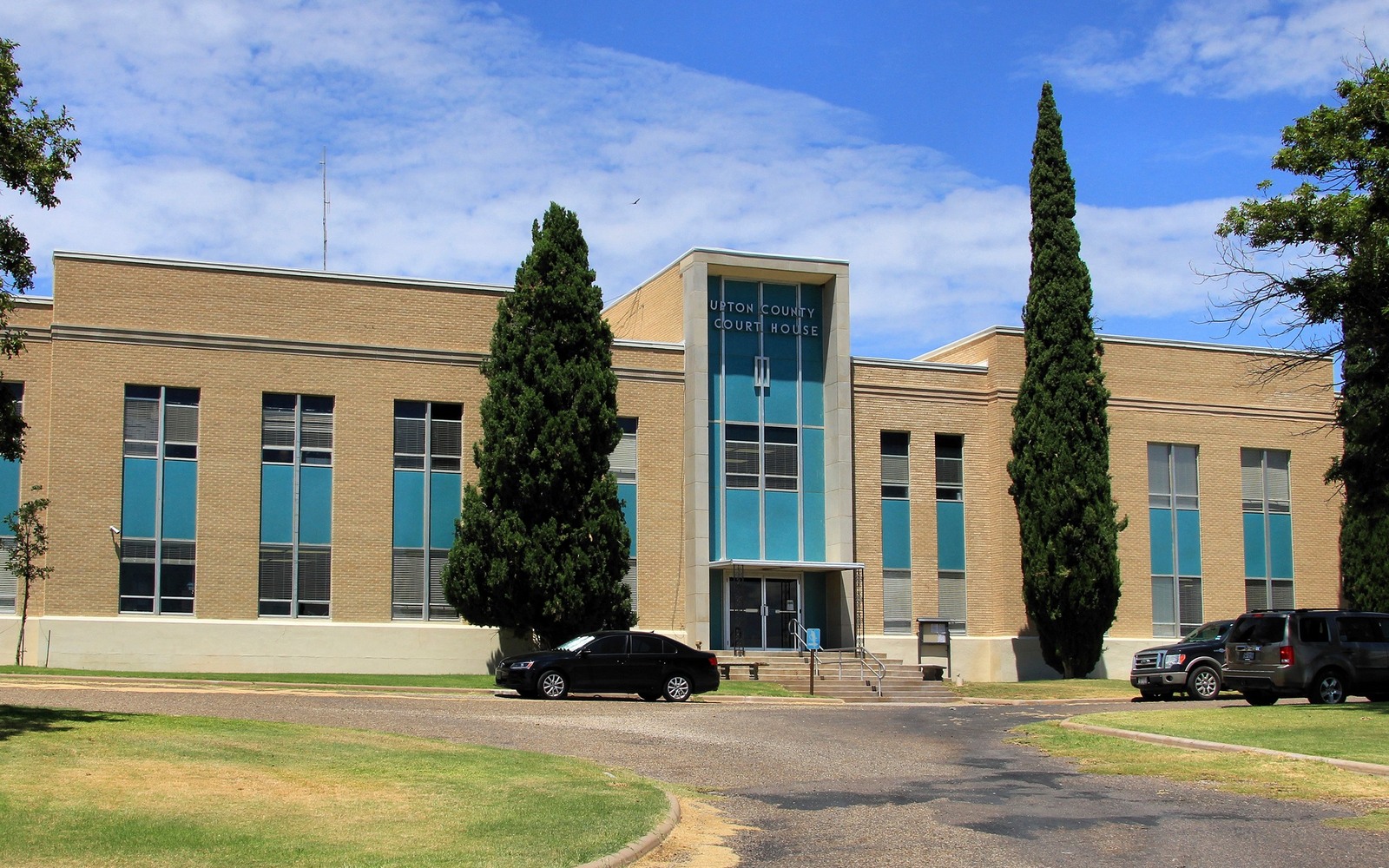
A McElroy Field royalty check and a Wolfcamp unit royalty check can both come out of Upton County, and they should never be priced the same way.
Rankin, the county seat, is small even by West Texas standards, but the ground underneath Upton County has been productive since the McElroy Field came in during the 1920s and 30s, one of the larger conventional oil fields in the Permian's history. That legacy production still generates royalty checks for families today, decades after the original leases were signed, running alongside a newer wave of Midland Basin Wolfcamp and Spraberry horizontal development that's brought fresh permitting activity to parts of the county over the last ten to fifteen years.
We buy both kinds of interests. The valuation approach differs: legacy McElroy-area production gets priced on a long, well-documented decline history, while newer horizontal units get priced more on recent completion data and nearby permitting, since they haven't been producing long enough to establish a settled long-term curve.
McElroy Field's Long Tail
Wells in and around the McElroy Field have been producing for close to a century in some cases, through multiple operators and enhanced recovery projects including waterflooding, which extended field life well past what a primary-recovery-only well would have managed. That history means production records here can be unusually long and detailed, which is useful for pricing but also means confirming current operator and current decimal interest takes a bit more diligence than a newer tract.
If your family's interest traces back to an original McElroy-era lease, the royalty rate on that lease is likely below what's standard today, and we account for that directly in how we price the interest rather than assuming a modern royalty fraction.
Where Wolfcamp Activity Has Landed
Midland Basin horizontal development has reached parts of Upton County unevenly, more concentrated in some sections than others, so two neighboring tracts can have very different near-term outlooks depending on whether an operator has permits filed nearby. We check current Railroad Commission permitting for your specific section before quoting rather than pricing off general county-level activity.
Owners who leased more recently, within the last decade or so, are more likely to be in a spacing unit already producing from a horizontal Wolfcamp well, which gives us a cleaner recent production trend to price against than the older vertical fields.
What to Have Ready Before You Call
A current division order or recent check stub is the fastest starting point, since it tells us your decimal interest and the well or unit it's attached to. If your interest came through inheritance and you're not yet on a division order, a probate document or affidavit of heirship works too, and we'll walk you through what's needed to get the interest transferred into your name as part of the process.
Water Injection and Field Life
Much of the McElroy Field's extended production history comes from decades of water injection and pressure maintenance work, which kept older wells producing well past what primary recovery alone would have supported. That history is useful when we price a legacy interest, since it tells us the field has been actively managed rather than left to decline naturally, and it generally supports a steadier, more predictable long-term trend.
It also means some older wells in the McElroy area have gone through multiple recompletions and workovers over the years, each of which can shift the decimal interest slightly if the unit was reconfigured. We confirm the current, active configuration before quoting rather than relying on an older division order alone.
Midland acquisitions desk
Questions Permian Owners Ask
These answers identify the controlling record, basin fact, title exception, timing issue, or offer term that still needs a documented answer.
Is a McElroy Field interest still worth selling given how old the field is?
Yes. Long-producing fields with well-documented waterflood and enhanced recovery history often price predictably precisely because there's so much historical data to work from. Age of the field isn't a mark against value, it's information we use to build a more confident number.
How does an owner know if the owner's Upton County tract is McElroy-era or newer horizontal acreage?
Your division order or lease paperwork will usually show the original lease date and well name, which tells us which era your interest belongs to. If you're not sure, send us what you have and we'll identify it against county and Railroad Commission records before discussing value.
Do you buy small fractional interests in Upton County?
Yes, fractional interests inherited across multiple heirs are common here given how long some family tracts have been held, and we regularly buy interests of any size, small or large.
What happens if there's a lien or old mortgage showing up in the title search?
We'll flag it during title review and explain what it means for closing. Some older liens are stale and clearable, others need to be resolved before we can close, and we'll tell you which situation applies to your tract rather than let it surprise you later.
How do you handle a tract that's part McElroy legacy and part newer Wolfcamp acreage?
We evaluate each portion on its own terms and combine them into a single, clearly explained offer, so you understand exactly what's being priced on the legacy side versus the newer horizontal side.
Next property file
Continue the Permian sale brief
County records, deed schedules, producing evidence, and title questions carry straight into each of these connected reviews.
Contact us
Put This Interest on a Permian Sale Brief
Describe the county and state, interest type, producing status, operator or payor if known, recent checks if available, records already gathered, and the decision window.