Gaines County went from a quiet legacy-production county to one of the busiest Wolfcamp D drilling targets in the Midland Basin in the span of a few years.
Seminole, the county seat, and the shared community of Denver City near the Yoakum County line, sit atop a county that's carried two very different production stories. The older story is the San Andres oil that's been produced from fields like Seminole and Wasson since the 1930s and 40s. The newer story is the Wolfcamp D bench, which operators began targeting aggressively starting around 2018, turning parts of Gaines County into some of the most active horizontal drilling ground in the entire Midland Basin.
If you inherited a small legacy interest here decades ago, there's a real chance it now sits underneath an active spacing unit that didn't exist when the original lease was signed, which is exactly the kind of situation where an updated valuation matters.
The Wolfcamp D Story
The Wolfcamp D bench sits deeper than the intervals most operators targeted in Gaines County's earlier drilling waves, and its emergence as a viable horizontal target reshaped activity across the county. Operators have been stacking laterals across multiple Wolfcamp benches in some units, which means a single section can host several wellbores at different depths.
For mineral owners, that stacking matters because your net revenue interest may apply across multiple pooled units rather than one, and each unit's decimal interest can differ depending on how the operator designated the spacing. Checking your division orders unit by unit, rather than assuming one number applies across the board, is worth the effort.
Legacy San Andres and Waterflood Interests
Away from the newest horizontal activity, Gaines County still has a substantial base of mature San Andres production under waterflood management, including portions of the historic Seminole and Wasson fields. These interests behave like most mature Permian production: modest but steady checks, tied to a slow decline curve rather than a sharp new-well spike.
Owners sometimes assume a mature interest has little remaining value, but a stable waterflood unit with a long remaining life can still price reasonably, especially if it sits near newer horizontal activity that could eventually extend into the same acreage.
County Seat and Title Records
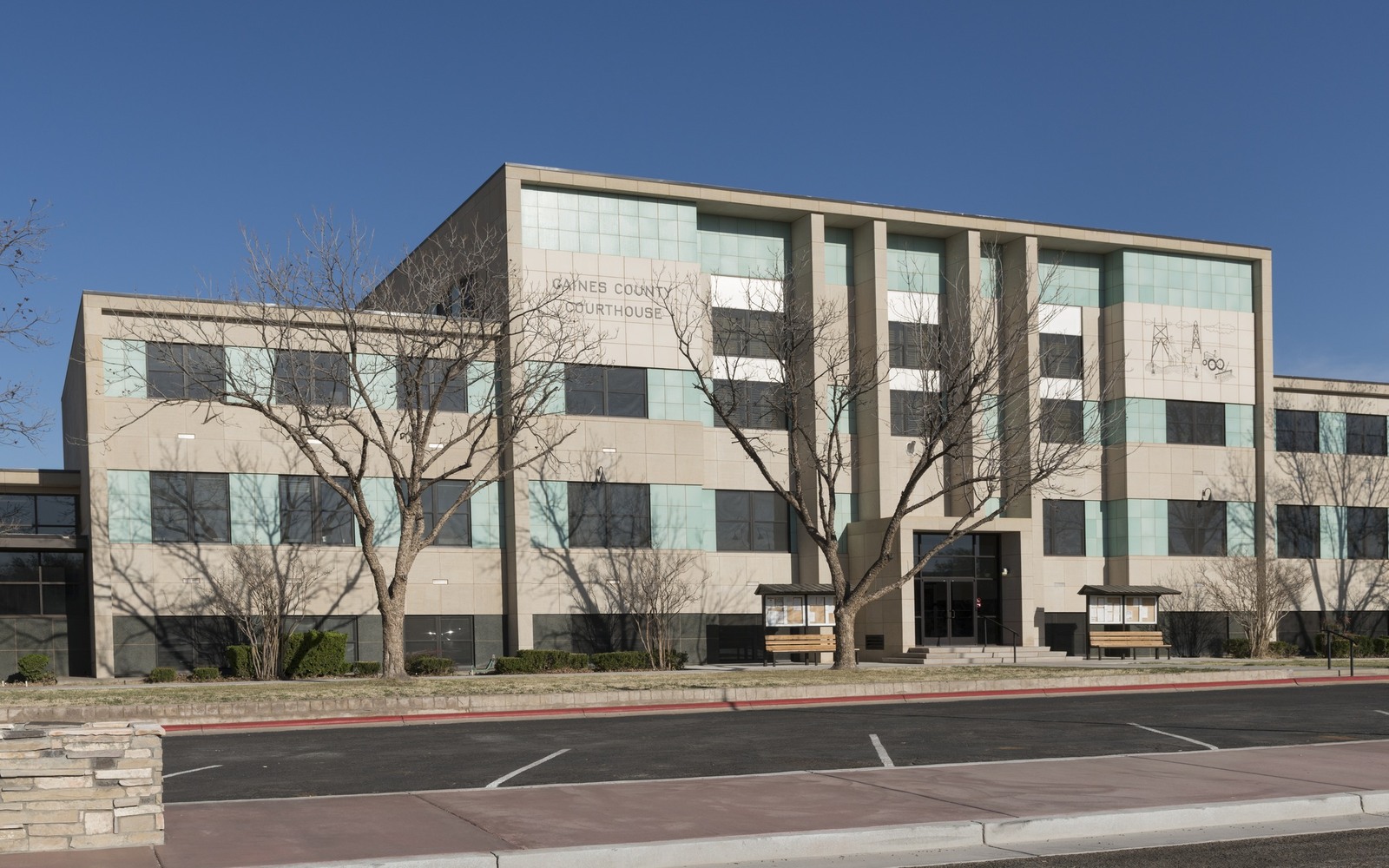
Seminole serves as the county seat and the courthouse of record for Gaines County mineral transactions. Because the county's drilling activity has accelerated so much in recent years, title records here can include a mix of decades-old original leases alongside recent pooling orders and amendments, and reconciling the two accurately is a key step before any sale.
We pull and cross-check these records as part of every offer, so the number we give reflects your actual current interest, not an outdated lease from before the Wolfcamp D activity began.
New Mexico Border Considerations
Gaines County sits directly against the New Mexico state line, and some owners with acreage near the border hold interests that cross into Lea County as well. Each side of the line falls under different state regulatory and conveyance rules, so it's worth confirming exactly which jurisdiction governs your specific tract before assuming both sides work identically.
For owners with acreage purely on the Texas side, this distinction doesn't come into play, but it's a detail worth checking rather than assuming, particularly for interests inherited from family land near Seminole's western edge.
Seminole and the Broader Development Picture
As county seat, Seminole has grown alongside the drilling activity around it, and much of that growth traces directly to the Wolfcamp D expansion rather than the county's older legacy production. That contrast between an active, growing county seat and a mature surrounding oilfield gives Gaines County a somewhat different character than quieter counties nearby.
For mineral owners, the practical effect is that service infrastructure, permitting activity, and comparable transaction data are all more readily available here than in less active counties, which generally supports a more confident, better-informed valuation.
Midland acquisitions desk
Questions Permian Owners Ask
These answers identify the controlling record, basin fact, title exception, timing issue, or offer term that still needs a documented answer.
Why has Gaines County gotten so much drilling attention recently?
The Wolfcamp D bench became a viable horizontal target starting around 2018, and operators have aggressively developed it alongside shallower Wolfcamp and Spraberry intervals, making Gaines one of the more active Midland Basin counties in recent years.
the owner's family's interest is from an old San Andres lease. Is it still worth selling?
It can be, depending on whether the acreage sits near newer horizontal activity and how consistent the waterflood production has been. We look at your recent check history and the surrounding unit activity before pricing an offer rather than assuming a legacy interest is worth less.
How do stacked Wolfcamp benches affect the owner's royalty?
If multiple benches are pooled under separate units beneath your acreage, your net revenue interest could apply differently across each one. We check your division orders unit by unit so the valuation reflects everything you're actually owed.
How quickly can a Gaines County sale close?
With clean title and confirmed net revenue interest, a straightforward sale can close in a matter of weeks. Interests tied to recently pooled units sometimes take a bit longer while the latest division order paperwork catches up.
the owner's acreage is near the New Mexico line. Does that complicate things?
We confirm which state's records actually govern your legal description before pricing, since Texas and New Mexico have different conveyance requirements. It adds a verification step but doesn't prevent a sale.
Does Seminole's recent growth mean the owner's interest is worth more?
Growth in the county seat reflects nearby operator activity, which is a good sign, but your value still comes down to actual production and unit participation tied to your specific tract, not the town's broader growth.
Next property file
Continue the Permian sale brief
County records, deed schedules, producing evidence, and title questions carry straight into each of these connected reviews.
Contact us
Put This Interest on a Permian Sale Brief
Describe the county and state, interest type, producing status, operator or payor if known, recent checks if available, records already gathered, and the decision window.