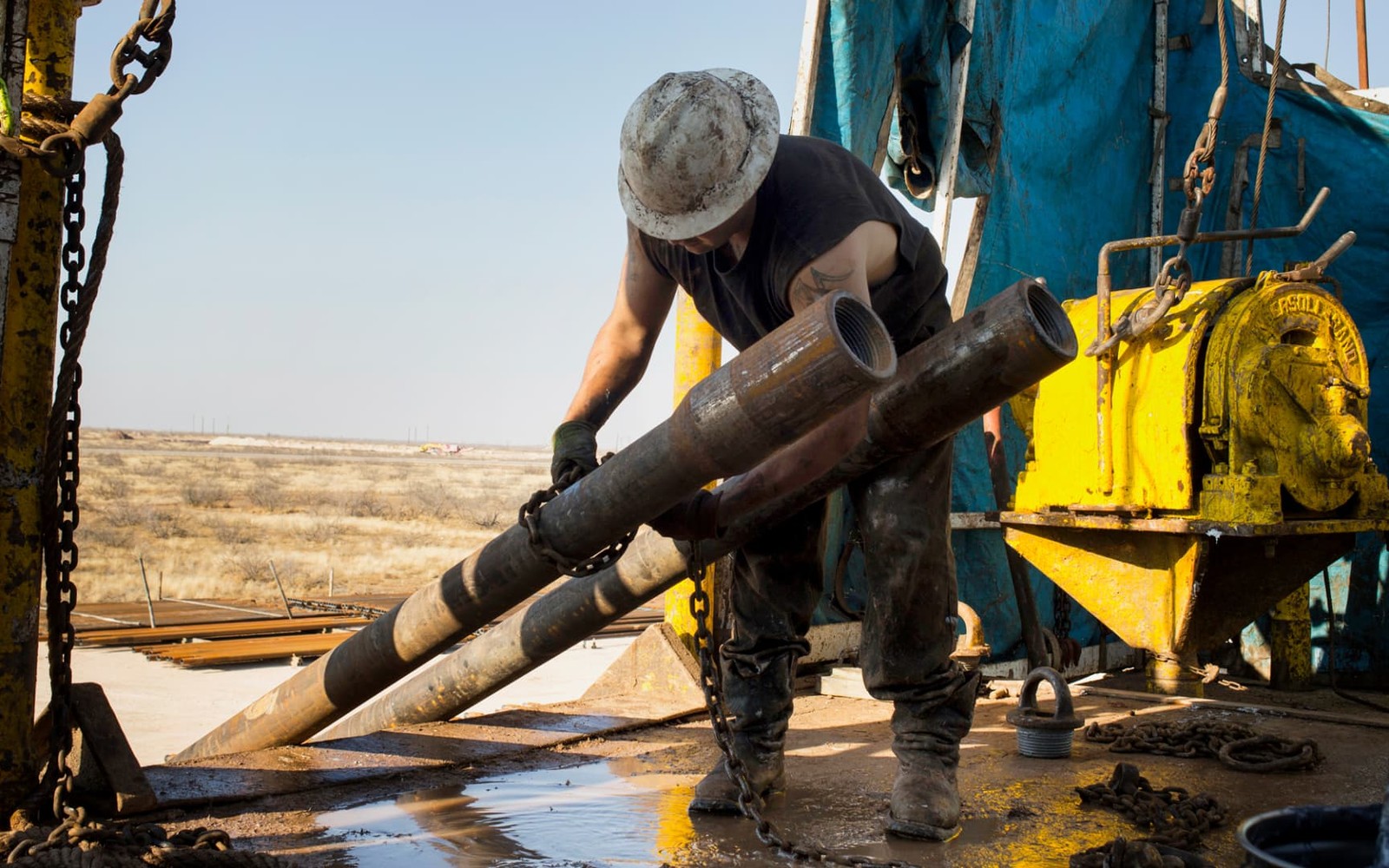
Winkler County has produced oil since the 1920s Hendrick Field boom, and today it's also home to a couple of ground stability issues every serious buyer needs to check before pricing a tract.
Kermit, the county seat, grew up around the Hendrick Field, one of the earlier major discoveries in the Permian Basin, and legacy production from that era still generates royalty income for families today. Layered on top of that history is more recent Delaware Basin horizontal activity targeting Wolfcamp and Bone Spring formations, along with a well-documented set of subsurface stability concerns near Wink tied to the Wink Sink sinkholes, which formed from decades-old cavities left by early oilfield operations rather than anything currently being drilled.
None of that history stops mineral rights from being valuable, but it does mean a careful buyer checks a Winkler County tract's specific location and history before pricing it, rather than treating the county as a single uniform block.
Hendrick Field and the Long View
Wells tied to the original Hendrick Field discovery have been producing for close to a century in some cases, through multiple operators and recovery methods. Interests here typically carry a long, well-documented production history, which makes for a more confident valuation than newer acreage with only a few years of data.
Because leases in this area often date back decades, royalty rates can run below what's standard on a fresh lease today, and we factor that into the offer directly rather than pricing off an assumed modern royalty fraction.
The Wink Sink Question
Two well-publicized sinkholes near Wink formed from the collapse of cavities created by early oilfield salt dissolution and abandoned wellbores, and ongoing subsidence monitoring covers a defined area around them. This is a surface and near-surface stability issue tied to specific old well locations, not a basin-wide production risk, but if your tract sits near the monitored zone we'll check current geological survey data on it as part of title and value review.
For the large majority of Winkler County acreage outside that specific monitored area, this has no bearing on mineral value at all.
Newer Delaware Basin Activity
Horizontal Wolfcamp and Bone Spring drilling has reached parts of Winkler County over the last decade, bringing fresh leasing and, in some sections, active permitting alongside the older Hendrick Field production. A tract in a currently permitted unit prices differently than one with only legacy vertical production nearby, so we check your specific section's recent activity before quoting.
Kermit as the County's Anchor
Kermit has served as the administrative and service hub for Winkler County oilfield activity since the Hendrick Field days, and the county clerk's office there holds records spanning both eras, from early handwritten deed books to recent electronically filed pooling designations. When we review title on an older Winkler County tract, we work through both types of records to confirm the current chain of ownership rather than relying on a single, more recent document.
Owners who've held an interest here across multiple generations sometimes find that the original lease has been amended or replaced more than once as operators changed. We reconcile that history as part of every valuation so the number reflects the lease actually in effect today.
Midland acquisitions desk
Questions Permian Owners Ask
These answers identify the controlling record, basin fact, title exception, timing issue, or offer term that still needs a documented answer.
Does the Wink Sink affect the value of the owner's mineral rights?
Only if your specific tract sits within the monitored subsidence zone near the known sinkholes, which is a small, defined area. For most Winkler County acreage it has no bearing on mineral value, and we'll confirm your tract's location relative to that zone as part of review.
How old is the production tied to the owner's interest likely to be?
If your family has held the interest for multiple generations, it's likely tied to Hendrick Field-era leasing from the early to mid-20th century. Newer interests, leased within the last ten to fifteen years, are more likely tied to horizontal Wolfcamp or Bone Spring units.
Is Winkler County still seeing new drilling activity?
Parts of the county have seen Delaware Basin horizontal permitting over the last decade, layered on top of much older legacy production. Activity isn't uniform across the county, so we check your specific section before pricing.
What documentation do you need to get started?
A current division order or recent royalty check stub is the fastest starting point. If your interest came through inheritance without a division order yet in your name, probate paperwork or an affidavit of heirship works, and we'll guide you through what's still needed.
How do you confirm ownership on a Winkler County tract with very old paperwork?
We work through Kermit county clerk records, cross-referencing older handwritten deed books against more recent filings, to build a current and accurate chain of title before making an offer.
Do you buy interests that combine both Hendrick Field legacy production and newer horizontal acreage?
Yes, we evaluate each piece on its own production and permitting history, then present the combined result as one clear offer covering the full interest.
Next property file
Continue the Permian sale brief
County records, deed schedules, producing evidence, and title questions carry straight into each of these connected reviews.
Contact us
Put This Interest on a Permian Sale Brief
Describe the county and state, interest type, producing status, operator or payor if known, recent checks if available, records already gathered, and the decision window.