
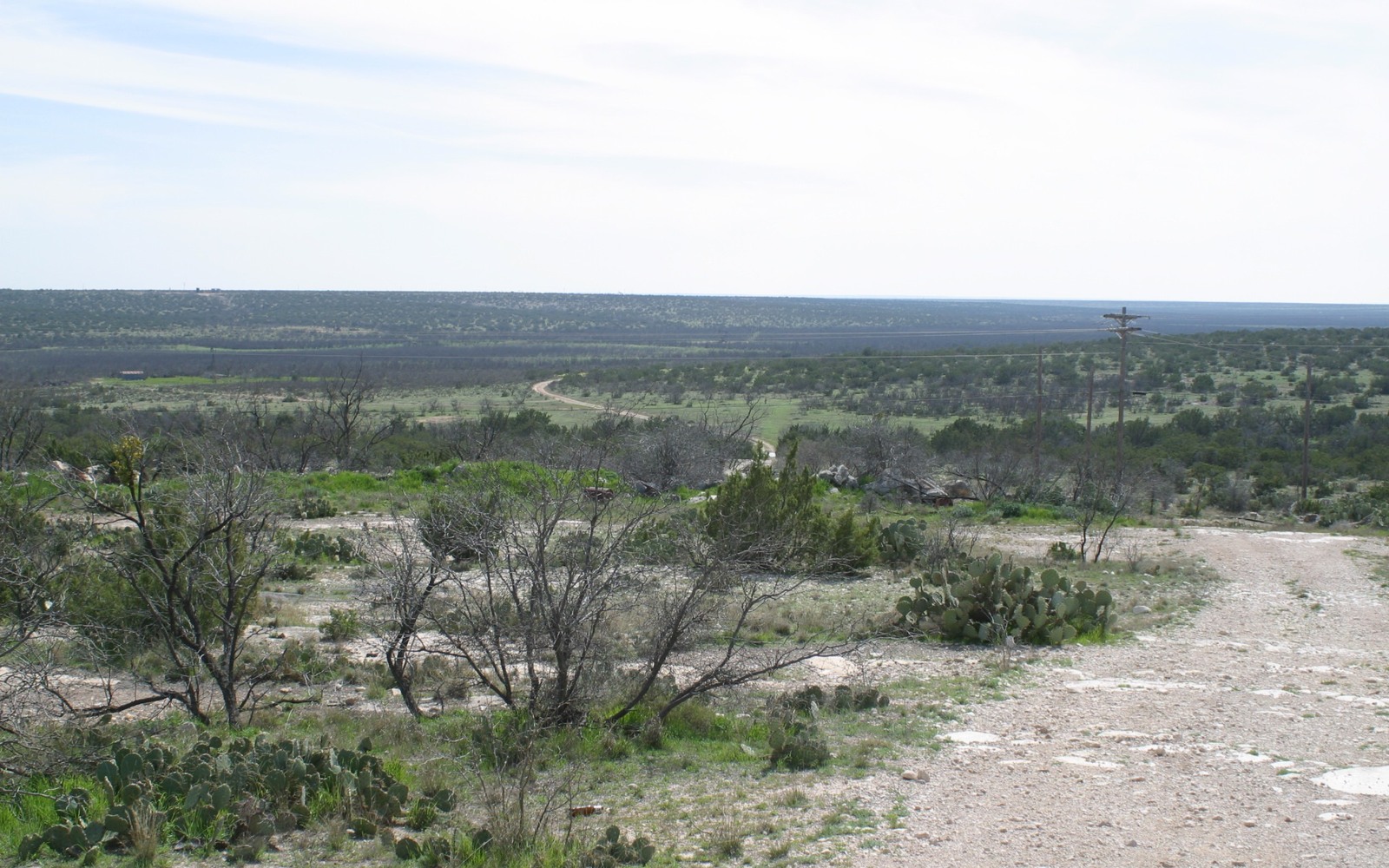
Reagan County is where the Permian Basin got its name as an oil province, and a hundred years later the courthouse still carries both the history and the paperwork to prove it.
Big Lake, the county seat, sits a few miles from the site of the Santa Rita No. 1, the 1923 well that confirmed University Lands acreage held commercial oil and effectively opened the Permian Basin to development. That history still shapes ownership patterns today: a meaningful share of Reagan County minerals sit under state university land administered separately from private tracts, and the two get leased and valued on different terms.
Private mineral owners in the county are mostly holding Wolfberry-era vertical production layered under newer horizontal Wolfcamp and Spraberry units drilled over the last decade. We buy both producing and non-producing interests here, and the first thing we sort out is whether your tract sits on private ground, State-owned University Lands acreage, or a mix, because the lease terms and payment mechanics differ.
Private Acreage Versus University Lands
University Lands manages roughly two million acres of state land across the Permian, with a meaningful block in and around Reagan County, and its leases run through a different administrative process than a private mineral owner's lease. If your interest is private mineral acreage adjacent to or checkerboarded with University Lands, we still buy it the same way we buy any private interest, but we confirm your tract's boundary against county plat records first since University Lands sections are often surveyed differently from surrounding private land.
Most sellers we talk to in Reagan County hold straightforward private fee mineral interests passed down through family ranch tracts, sometimes still leased to the same operator lineage that's worked the area since the Wolfberry boom of the 2000s.
Reading a Long Production History
Because Reagan County has produced continuously since the 1920s, many division orders here reference wells that have gone through multiple operators, multiple recompletions, and in some cases multiple well names over the decades. We pull Railroad Commission lease history to confirm current operator and current production before we quote, rather than pricing off a legacy division order that may no longer reflect who's operating the well.
Wolfberry vertical wells decline slowly compared to newer horizontals, so a tract with an older vertical well often carries a flatter, more predictable value than one tied to a recent horizontal completion still working through its first eighteen months of steep decline.
What Drives Value in Big Lake and Around It
Proximity to active horizontal permitting matters more than raw historical production. Two tracts with identical trailing royalty checks can price differently if one sits in a section with recent Wolfcamp permits filed nearby and the other doesn't, because future drilling potential is part of what a buyer is pricing, beyond the current check alone.
We also look at whether your interest is executive rights, non-participating royalty, or full mineral fee, since Reagan County's long lease history means some tracts have been split into these narrower interest types over multiple generations.
Bonus History and What It Tells Us
Some Reagan County leases carry bonus and delay rental terms negotiated decades ago, structured very differently from a modern lease with automatic renewal or shut-in provisions. When we review an older lease, we check whether it's still in effect, whether it's been held by production continuously, or whether it lapsed and was replaced, since that affects both the royalty rate we're pricing and the confidence of the underlying title.
Where a tract has changed hands through multiple sales or partial assignments over the decades, we reconcile the current decimal interest against county deed records before finalizing any number, rather than trusting a single document in isolation.
Midland acquisitions desk
Questions Permian Owners Ask
These answers identify the controlling record, basin fact, title exception, timing issue, or offer term that still needs a documented answer.
Does the owner's mineral interest border University Lands acreage, and does that matter?
It can affect how we confirm your boundary but it doesn't change whether we can buy your private interest. We check county plat records against University Lands section maps as part of title review so the legal description in your offer is accurate.
the owner's well has been producing since before the owner was born. Is it still worth selling?
Yes, long-producing Wolfberry-era wells in Reagan County often have gentle, well-understood decline curves, which makes them easier to price with confidence rather than harder. A long clean production history is an asset in a valuation, not a liability.
What's the difference between a mineral interest and a non-participating royalty interest here?
A full mineral interest carries the right to lease and collect bonus payments; a non-participating royalty interest collects a royalty share but has no say in leasing decisions. Reagan County's long ownership history means both types show up regularly, and we price each based on what rights the specific deed actually conveys.
How do you handle interests split across many heirs?
Common in Reagan County given how long some family tracts have been held. We can work with each heir individually or coordinate a single closing for the group, and we'll tell you upfront what documentation each co-owner needs to provide.
the owner's lease terms look nothing like what the owner has seen described as standard today. Is that a problem?
No, older Reagan County leases often carry different bonus, rental, and shut-in terms than a modern lease. We review the specific terms as part of title work and factor them into the number rather than assuming standard modern language applies.
Next property file
Continue the Permian sale brief
County records, deed schedules, producing evidence, and title questions carry straight into each of these connected reviews.
Contact us
Put This Interest on a Permian Sale Brief
Describe the county and state, interest type, producing status, operator or payor if known, recent checks if available, records already gathered, and the decision window.