
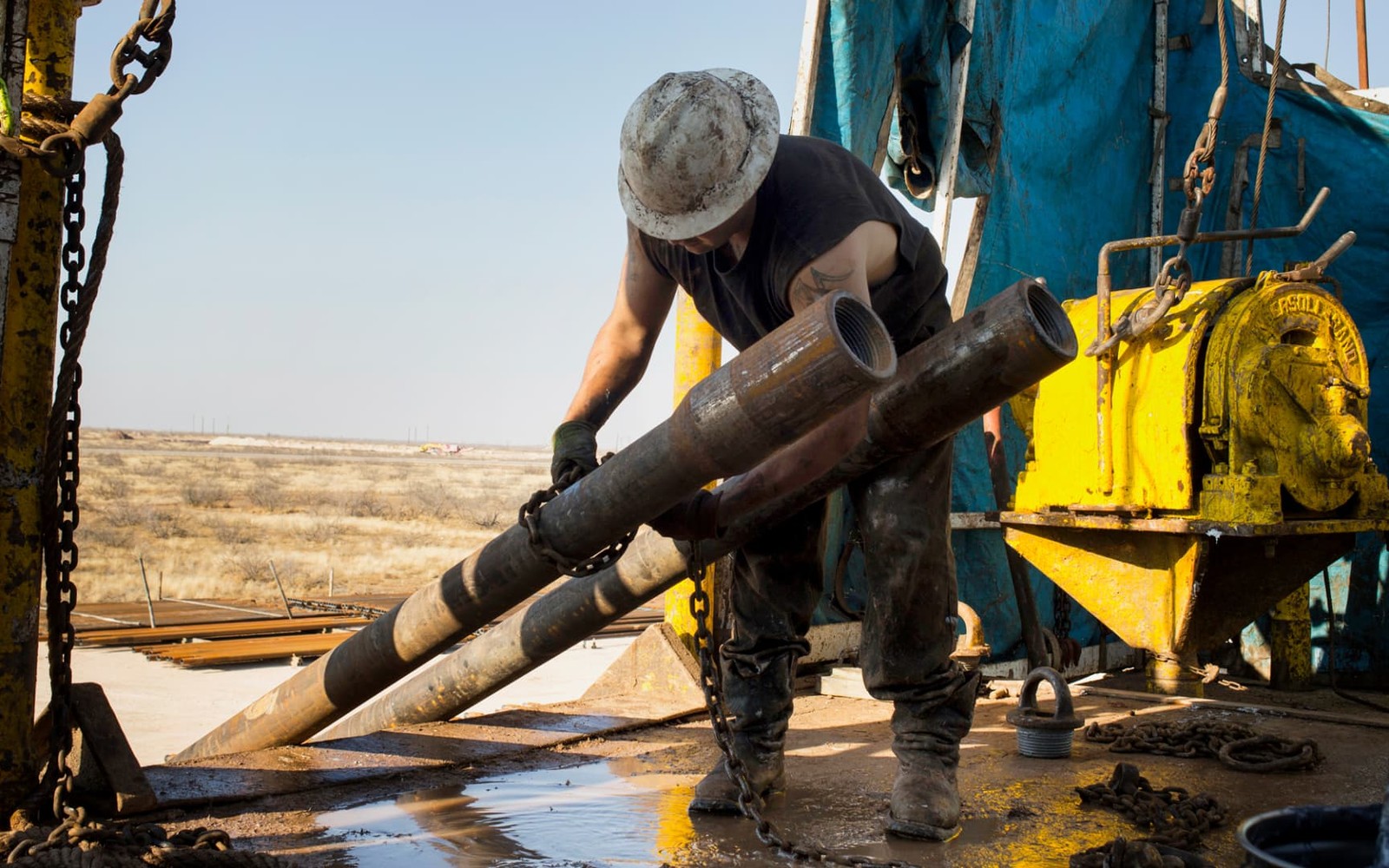
Garden City is barely a town at all, but as the Glasscock County seat, it's the courthouse address behind some of the densest drilling in the Midland Basin.
With a population in the low hundreds, Garden City exists mainly as the county courthouse, a school, and a scattering of homes, yet the ground around it sits over one of the thickest, most productive Wolfcamp and Spraberry sections anywhere in the Permian. Mineral ownership here is almost entirely tied to the ranch families who've held this land for generations.
The Thinnest Town, the Thickest Rock
The contrast in Garden City is stark: a tiny population sitting above a stacked-pay section that supports some of the highest lateral counts per section in the Midland Basin. If your interest is tied to acreage near town, it's likely part of a multi-well, multi-bench unit rather than a single legacy well.
Ranch Family Ownership
Most mineral acreage around Garden City traces back to a handful of large historic ranches. Interests are sometimes cleaner and less fractionated than in more populated towns, though generational transfers over the decades can still split an original block among many heirs.
Because the town itself has so little separate identity from the surrounding ranchland, buyers evaluating acreage here typically look straight past the town limits to the underlying section, spacing pattern, and offset well results rather than treating Garden City as a distinct market of its own.
Confirming Well Count and Interest
Given how densely developed Glasscock County acreage can be, confirming your division order lists every producing wellbore under your unit is a meaningful step before selling. We check this against Railroad Commission and county records so an offer reflects your full current interest instead of only part of it.
Start with the local record trail
A local sale review begins with the county recording office, legal description, deed chain, reservations, lease, units, division orders, payor records, statements, and regulatory well data.
Route local legal questions correctly
Probate, marital property, dormant-mineral law, pooling, recording, transfer tax, regulatory filings, and payor-notice rules differ between Texas and New Mexico counties and belong with qualified advisers.
Midland acquisitions desk
Questions Permian Owners Ask
These answers identify the controlling record, basin fact, title exception, timing issue, or offer term that still needs a documented answer.
Is Garden City acreage as valuable as the rest of Glasscock County?
It sits in the same core stacked-pay section as the broader county, so value depends primarily on your specific unit's well count and recent production rather than proximity to the small town itself.
How does an owner confirm the owner's interest is tied to a ranch family block?
We trace the legal description back through the Glasscock County clerk's records to identify the original tract and current chain of ownership before pricing an offer.
Does the owner's division order show every well in the owner's unit?
Not always automatically. Given the multi-well development common in this area, we check your division orders against actual permitted and producing wells before finalizing a valuation.
Does an owner need to live near Garden City to sell the owner's interest?
No. Most owners with acreage tied to Glasscock County live elsewhere, and the entire process, from title verification to closing, can be handled by mail and phone without a visit to the county.
Next property file
Continue the Permian sale brief
County records, deed schedules, producing evidence, and title questions carry straight into each of these connected reviews.
Contact us
Put This Interest on a Permian Sale Brief
Describe the county and state, interest type, producing status, operator or payor if known, recent checks if available, records already gathered, and the decision window.