
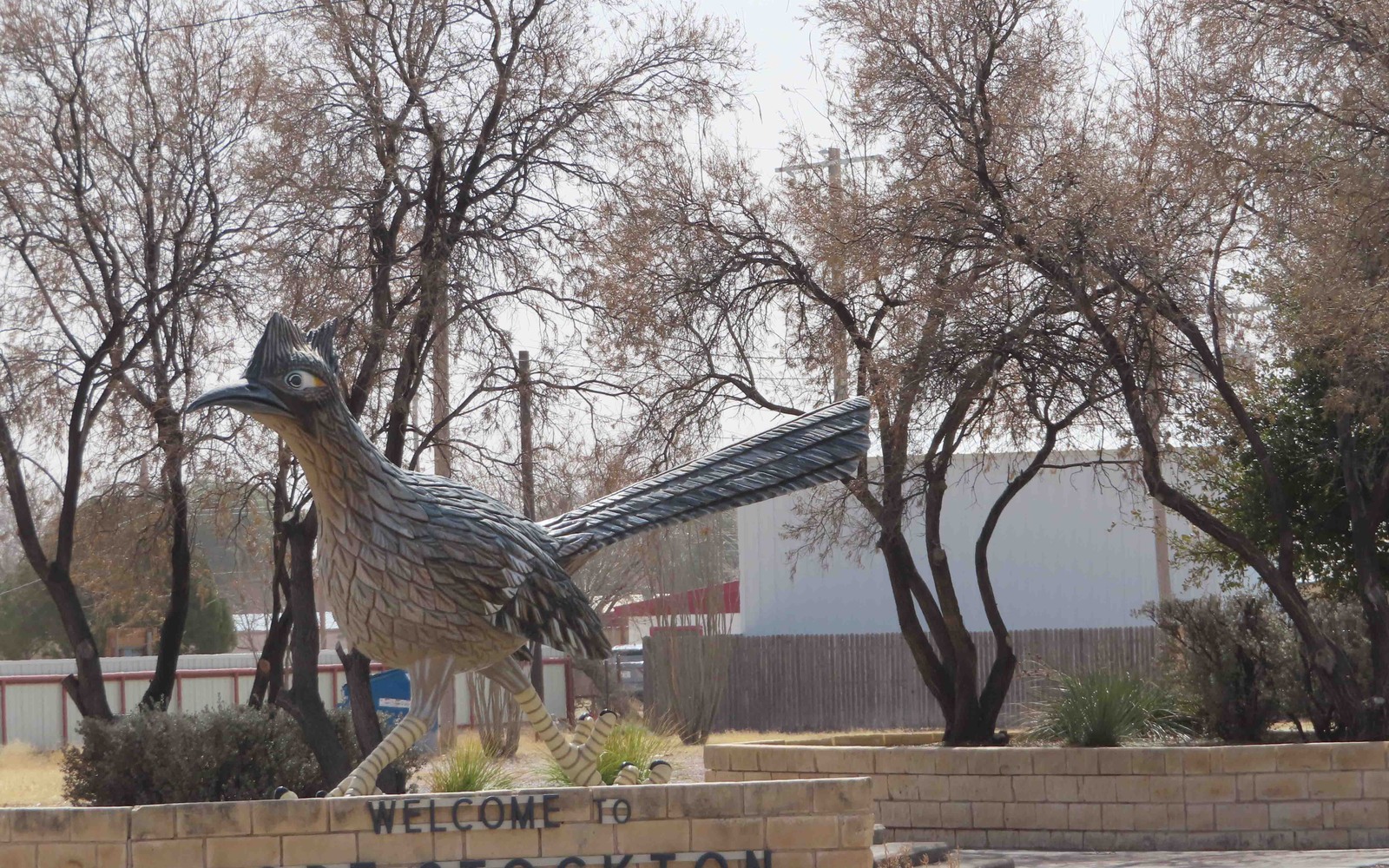
Fort Stockton serves as the Pecos County seat and the closest thing to a regional hub for operators working the southern reach of the Delaware Basin.
Sitting along Interstate 10, Fort Stockton has functioned as a staging point for oilfield crews and services well beyond its own city limits, even as drilling activity has concentrated more heavily in Reeves and Loving counties to the north. Mineral ownership tied to Fort Stockton and the surrounding area spans a mix of legacy production and newer activity extending south from the Delaware Basin's core.
Regional Hub, Variable Core Activity
Fort Stockton's role as a service and logistics hub doesn't automatically mean the acreage directly around it sees the same drilling intensity as Reeves County's core. Activity here depends heavily on the specific section, with some areas seeing active Bone Spring and Wolfcamp development and others remaining largely undeveloped.
Comanche Springs and Surface Considerations
The historic Comanche Springs and surrounding water resources have shaped land use around Fort Stockton for generations, adding a surface-use layer that can factor into how operators approach permitting and well placement near town, separate from the underlying mineral value itself.
Title Records Through Pecos County
As the county seat, Fort Stockton holds the deed and lease records for mineral transactions across Pecos County. We use these to confirm your legal description and net revenue interest before pricing any offer, which tends to make verification faster here than in counties with more scattered courthouse locations.
Start with the local record trail
A local sale review begins with the county recording office, legal description, deed chain, reservations, lease, units, division orders, payor records, statements, and regulatory well data.
Route local legal questions correctly
Probate, marital property, dormant-mineral law, pooling, recording, transfer tax, regulatory filings, and payor-notice rules differ between Texas and New Mexico counties and belong with qualified advisers.
Midland acquisitions desk
Questions Permian Owners Ask
These answers identify the controlling record, basin fact, title exception, timing issue, or offer term that still needs a documented answer.
Does Fort Stockton's role as a service hub mean the acreage nearby is highly active?
Not necessarily. Its logistics role is separate from drilling intensity on any specific tract, so we check current permits and offset activity near your acreage before pricing rather than assume based on the town's regional importance.
How does water use around Comanche Springs affect the owner's minerals?
It can influence surface permitting and well placement decisions near town, though it doesn't change your underlying mineral ownership or entitlement to royalties from production.
Is title verification faster because Fort Stockton is the county seat?
Often yes. Having the Pecos County clerk's records local to the town where much of the activity is centered tends to streamline the verification process compared to counties with more dispersed records.
Is drilling activity increasing or slowing down near Fort Stockton?
It shifts with commodity prices and operator budgets like the rest of the basin. Rather than guess, we check current permits and completions near your specific tract before giving you a number.
Next property file
Continue the Permian sale brief
County records, deed schedules, producing evidence, and title questions carry straight into each of these connected reviews.
Contact us
Put This Interest on a Permian Sale Brief
Describe the county and state, interest type, producing status, operator or payor if known, recent checks if available, records already gathered, and the decision window.