
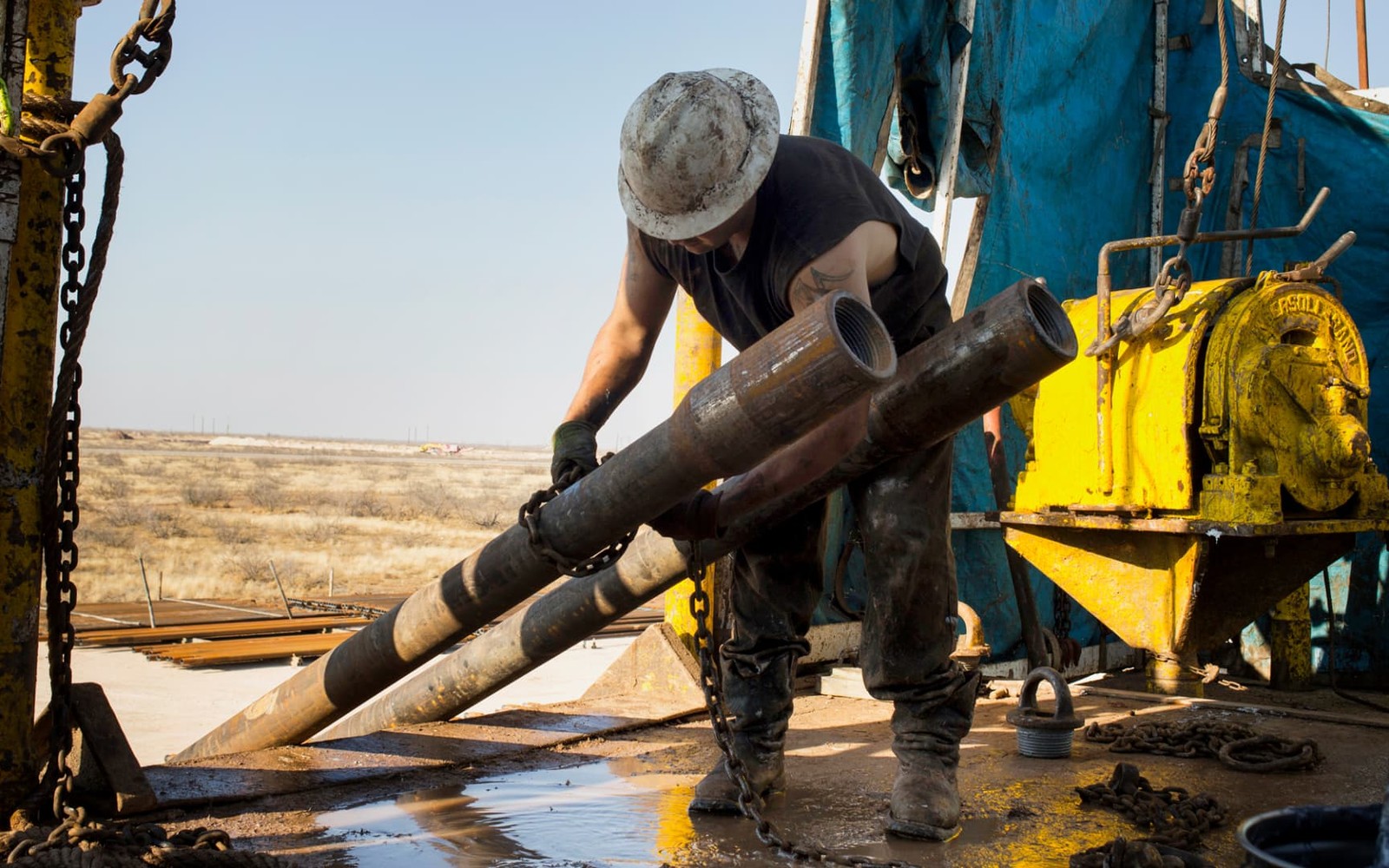
Denver City sits near the Gaines-Yoakum county line, on ground that carries both the historic Wasson field and the more recent Wolfcamp D drilling wave beneath it.
Few towns in the basin sit closer to a genuinely giant legacy field than Denver City. The Wasson field, discovered in the 1930s, spans this area, and decades of CO2 flood management have kept it producing long after a typical field would have declined to nothing. More recently, Gaines County's Wolfcamp D activity has pushed new horizontal development into the same general area, layering fresh production on top of old.
CO2 Flood Economics
Wasson field acreage near Denver City has been under CO2 injection for enhanced recovery for years, a process that extends field life well beyond what primary and waterflood recovery alone would achieve. Owners with legacy interests here should expect a mature, slow-decline production profile rather than the sharper curve of a new horizontal well.
Wolfcamp D Encroachment
As Gaines County's Wolfcamp D drilling has expanded, some units near Denver City now combine legacy San Andres production with newer deeper horizontal wells. If your acreage falls into one of these combined units, your division order should reflect participation in both, and it's worth confirming that both show up correctly on your statements.
Cross-County Title Considerations
Because Denver City sits right at the edge of Gaines and Yoakum counties, it's worth double-checking which county's clerk records actually govern your specific tract before assuming where to pull title. We verify this as part of every offer so there's no ambiguity about which courthouse holds the controlling documents.
Start with the local record trail
A local sale review begins with the county recording office, legal description, deed chain, reservations, lease, units, division orders, payor records, statements, and regulatory well data.
Route local legal questions correctly
Probate, marital property, dormant-mineral law, pooling, recording, transfer tax, regulatory filings, and payor-notice rules differ between Texas and New Mexico counties and belong with qualified advisers.
Midland acquisitions desk
Questions Permian Owners Ask
These answers identify the controlling record, basin fact, title exception, timing issue, or offer term that still needs a documented answer.
What does CO2 flood production mean for the owner's royalty value?
It generally means a longer-lived, slower-decline production profile compared to a new horizontal well. Value is typically based on trailing check history and estimated remaining flood life rather than a type curve.
Is the owner's interest in Gaines County or Yoakum County?
Because Denver City straddles the county line, we confirm exactly which county's records control your specific legal description before pricing an offer, rather than assuming based on mailing address.
Can newer Wolfcamp D wells be added to an old Wasson field lease?
In many cases operators pool newer deeper intervals into separate or combined units with the legacy shallow production. We check your current division orders to see whether both are reflected in what you're being paid.
Next property file
Continue the Permian sale brief
County records, deed schedules, producing evidence, and title questions carry straight into each of these connected reviews.
Contact us
Put This Interest on a Permian Sale Brief
Describe the county and state, interest type, producing status, operator or payor if known, recent checks if available, records already gathered, and the decision window.