
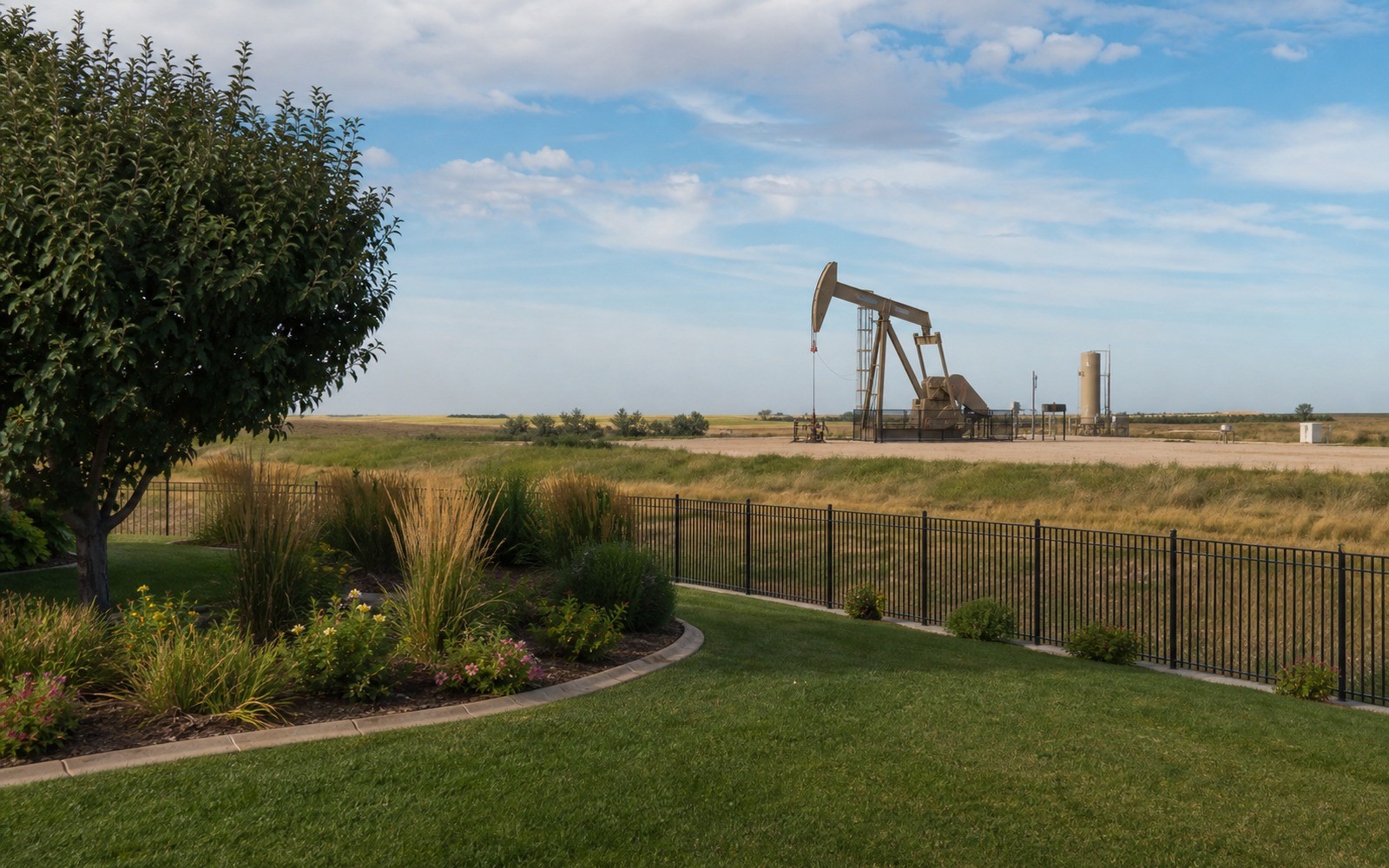
You can own the ground under your feet without owning what's beneath it, and in Texas and New Mexico, that split is the norm rather than the exception across a huge share of the Permian.
Both Texas and New Mexico follow the rule that the mineral estate is dominant over the surface estate, meaning mineral rights and surface rights can be, and very often are, owned by entirely different parties. A family might sell the surface acreage generations ago while retaining the minerals underneath, or vice versa, and the two ownerships can carry completely different histories from that point forward.
For a seller, understanding which estate you actually own, surface, minerals, or both, is the first question, since a lot of confusion around Permian mineral sales starts with owners who assume they own the surface land and the minerals together when in fact only one has stayed in the family.
What dominance of the mineral estate actually means
Under Texas and New Mexico law, the mineral owner has the legal right to reasonable use of the surface to access, explore, and produce the minerals, even if they don't own the surface itself. That reasonable use right is why an operator can build a well pad, access road, or pipeline on land whose surface is owned by someone entirely unconnected to the mineral rights, subject to court-developed standards around what's reasonably necessary.
This matters to a mineral seller because it clarifies exactly what's being sold: a mineral interest sale transfers the right to explore and produce, and to lease that right to operators, without touching whoever owns the surface. You don't need to own or coordinate with the surface owner to sell your minerals.
Selling minerals when you also own the surface
If you own both estates together, a common situation on family ranch or farm land, you have a choice most owners in a pure mineral-only position don't: sell the minerals while keeping the surface, sell both together, or keep both and simply lease. Many owners in this position sell only the mineral estate, since it doesn't affect their use of the surface land, while converting the mineral value into cash.
If you do sever the minerals from the surface by selling only one, that separation becomes permanent in the property records going forward unless a future transaction reunites them. It's worth understanding that a mineral sale here is final with respect to that estate, even though your surface ownership is untouched.
What documentation clarifies which estate you own
A title search or the deed history for your property will show whether minerals were ever severed from the surface, and if so, when and by whom. If you're unsure which estate you hold, the county clerk's records where the property sits, or a landman familiar with the area, can typically confirm this from the legal description alone.
Surface use agreements as a separate matter
Where the surface and mineral estates are owned by different parties, operators sometimes negotiate a surface use agreement directly with the surface owner, covering compensation for pad sites, roads, and pipeline right-of-way, separate entirely from any royalty owed to the mineral owner. If you're selling only your mineral interest and don't own the surface, this kind of agreement isn't something you're party to and doesn't affect what you're being paid for your minerals.
Midland acquisitions desk
Questions Permian Owners Ask
These answers identify the controlling record, basin fact, title exception, timing issue, or offer term that still needs a documented answer.
If an owner holds the surface land, Does an owner automatically also own the minerals underneath it?
Not necessarily. Minerals are frequently severed from surface ownership in Texas and New Mexico, sometimes generations ago. Owning the surface doesn't guarantee you own the mineral estate beneath it; a title search or deed history confirms which you actually hold.
Can an operator drill on the owner's surface land If an owner does not own the minerals?
Yes, under the dominant mineral estate doctrine, the mineral owner has the right to reasonable use of the surface to access and produce the minerals, even without owning the surface itself. Surface owners in this position sometimes negotiate a surface use agreement with the operator.
Does an owner need the surface owner's permission to sell the owner's mineral rights?
No. Mineral rights are a separate, independently transferable estate. You can sell your minerals without any involvement from or notice to whoever owns the surface.
If an owner holds both the surface and minerals, Can an owner sell just the minerals and keep the land?
Yes, and this is a common structure. Selling only the mineral estate has no effect on your ownership, use, or control of the surface land itself.
Once minerals are severed from the surface, can they ever be reunited?
Only through a subsequent transaction, such as the mineral owner selling to the surface owner or vice versa. Severance itself doesn't automatically reverse over time; the two estates simply continue as separately owned property until someone chooses to combine them again.
If an owner sells the owner's minerals, does the buyer get any rights to use the owner's surface land?
Only if you also own and are selling the surface, or if the mineral estate's inherent right to reasonable surface use already applies regardless of who owns the surface. Selling minerals alone doesn't grant the buyer additional surface rights beyond what mineral ownership already carries under state law.
Next property file
Continue the Permian sale brief
County records, deed schedules, producing evidence, and title questions carry straight into each of these connected reviews.
Contact us
Put This Interest on a Permian Sale Brief
Describe the county and state, interest type, producing status, operator or payor if known, recent checks if available, records already gathered, and the decision window.