
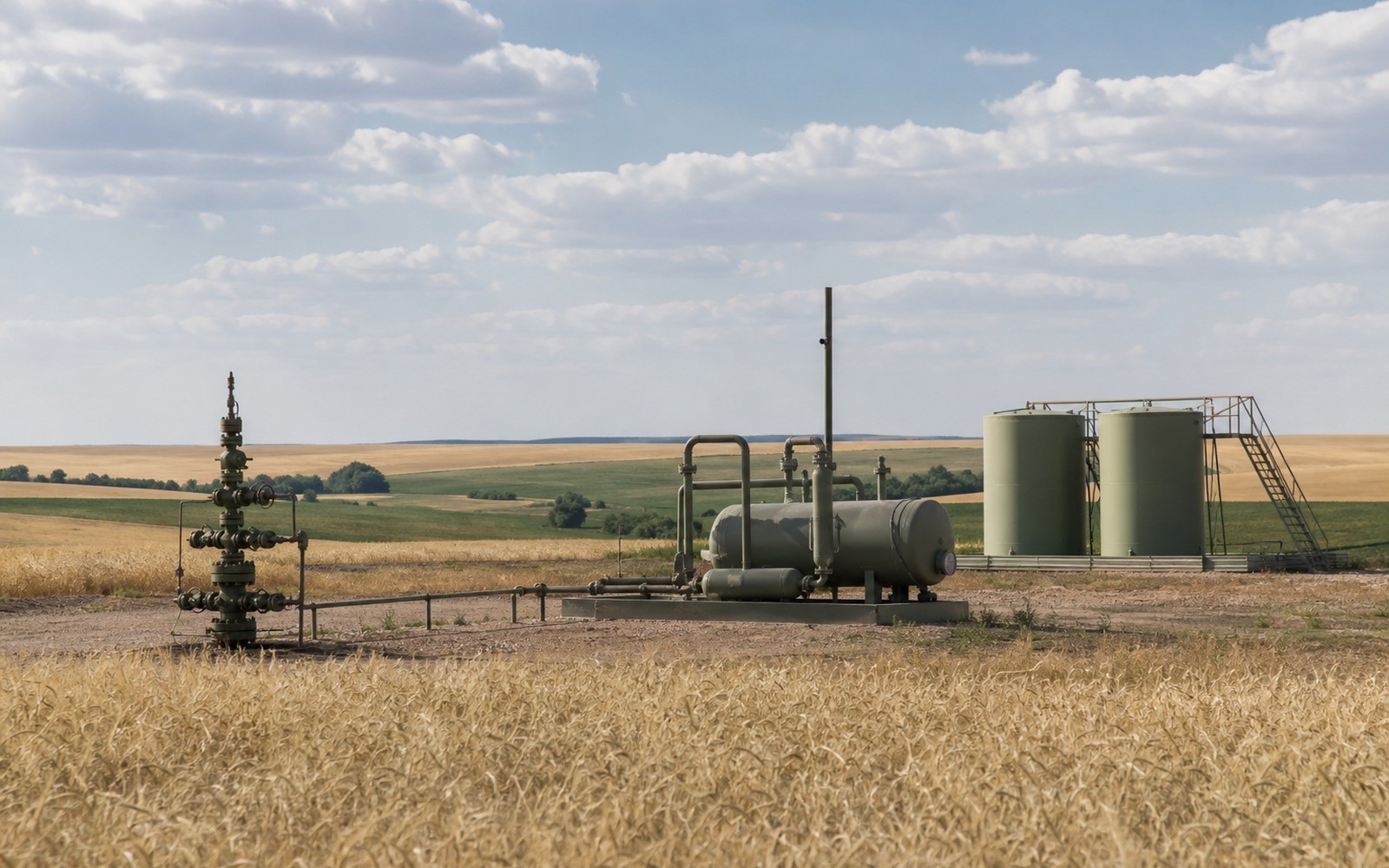
Owning the mineral estate itself, not a royalty carved out of it, gives you the most complete bundle of rights a mineral owner can hold, and the most flexibility in how you sell it.
Full mineral rights ownership means you own the right to explore, develop, and produce oil and gas beneath a tract, along with the right to lease that acreage to an operator, negotiate the royalty rate, and collect bonus payments. It's the broadest form of mineral ownership, distinct from a royalty interest carved out of someone else's minerals or a working interest tied to drilling costs.
Selling this kind of interest transfers the entire bundle to the buyer: the right to lease it going forward, collect any future bonus, and receive the royalty percentage negotiated in whatever lease is or becomes in place. That's a bigger transfer than selling a royalty interest alone, and it's priced accordingly.
What makes full mineral ownership distinct
A mineral rights owner who hasn't yet leased their acreage controls the leasing decision entirely, who to lease to, at what royalty rate, and for what bonus. Once leased, the owner retains the right to whatever royalty percentage was negotiated, plus the ability to sell either the full mineral estate or just the royalty stream flowing from the existing lease, depending on what fits their situation.
This flexibility is exactly what a buyer is pricing when they evaluate an unleased mineral tract: current or near-term production potential, plus the future leasing upside if the acreage sees renewed interest from operators years down the line.
Leased versus unleased mineral rights
An unleased mineral interest carries more uncertainty but also more upside, since a buyer is pricing the possibility of a future lease bonus and royalty negotiation on top of any production potential. A leased mineral interest is more straightforward to value, since the royalty rate is already fixed and, if producing, there's real income data to model against.
Selling unleased mineral rights doesn't require leasing them first. A buyer can evaluate and purchase the interest in its current unleased state, factoring the likelihood and terms of a future lease into the offer.
What determines the number
Net mineral acres owned, whether the tract is leased and at what terms, current production if any, and offset drilling activity in the surrounding sections all factor into a mineral rights valuation. Title clarity matters as much as the geology, since a buyer needs a clean chain of title from deed to current owner before closing.
Partial interest sales
An owner doesn't have to sell the entire mineral interest in one transaction. Selling a partial share, half the interest, or a portion tied to specific depths or formations, while retaining the rest, is a common structure for owners who want some liquidity now but also want to keep exposure to future development. A buyer can structure a quote around whatever fraction of the interest you're looking to sell.
Midland acquisitions desk
Questions Permian Owners Ask
These answers identify the controlling record, basin fact, title exception, timing issue, or offer term that still needs a documented answer.
What's the difference between selling mineral rights and selling a royalty interest?
Full mineral rights include the ability to lease the acreage, negotiate bonus and royalty terms, and control future development decisions. A royalty interest is narrower, entitling the owner to a share of production revenue without the leasing or development control that comes with full mineral ownership.
Can an owner sell mineral rights that have never been leased?
Yes. A buyer can evaluate and purchase unleased mineral rights, pricing in the likelihood and expected terms of a future lease based on nearby leasing activity, without you needing to lease the acreage first.
Does an owner keep any rights after selling the owner's full mineral interest?
No, a full mineral rights sale transfers the entire bundle, including leasing rights, bonus, and royalty, to the buyer. If you want to retain some future upside, selling only a partial interest or a specific royalty carve-out is a different, more limited transaction.
How is unleased mineral acreage valued differently than leased acreage?
Unleased acreage is valued more on potential, nearby leasing activity, and offset drilling trends, since there's no locked-in royalty rate or current income yet. Leased acreage has a defined royalty rate and, if producing, real income data, which generally makes it more straightforward to price.
What documents are needed to sell full mineral rights?
The current deed, any existing lease if the acreage is under one, a division order or check stub if producing, and the legal description including county, section, block, and survey.
Can an owner sell only a portion of the owner's mineral rights and keep the rest?
Yes. Partial sales are common, whether by percentage, by depth, or by specific formation, letting you convert part of the interest to cash now while retaining ongoing exposure to the remainder.
Does selling mineral rights affect any existing royalty checks the owner is currently receiving?
Your royalty payments continue as normal through the closing date, and the buyer begins receiving payments from that point forward once the operator processes the new division order. There's no gap or interruption caused by the sale process itself.
Next property file
Continue the Permian sale brief
County records, deed schedules, producing evidence, and title questions carry straight into each of these connected reviews.
Contact us
Put This Interest on a Permian Sale Brief
Describe the county and state, interest type, producing status, operator or payor if known, recent checks if available, records already gathered, and the decision window.