
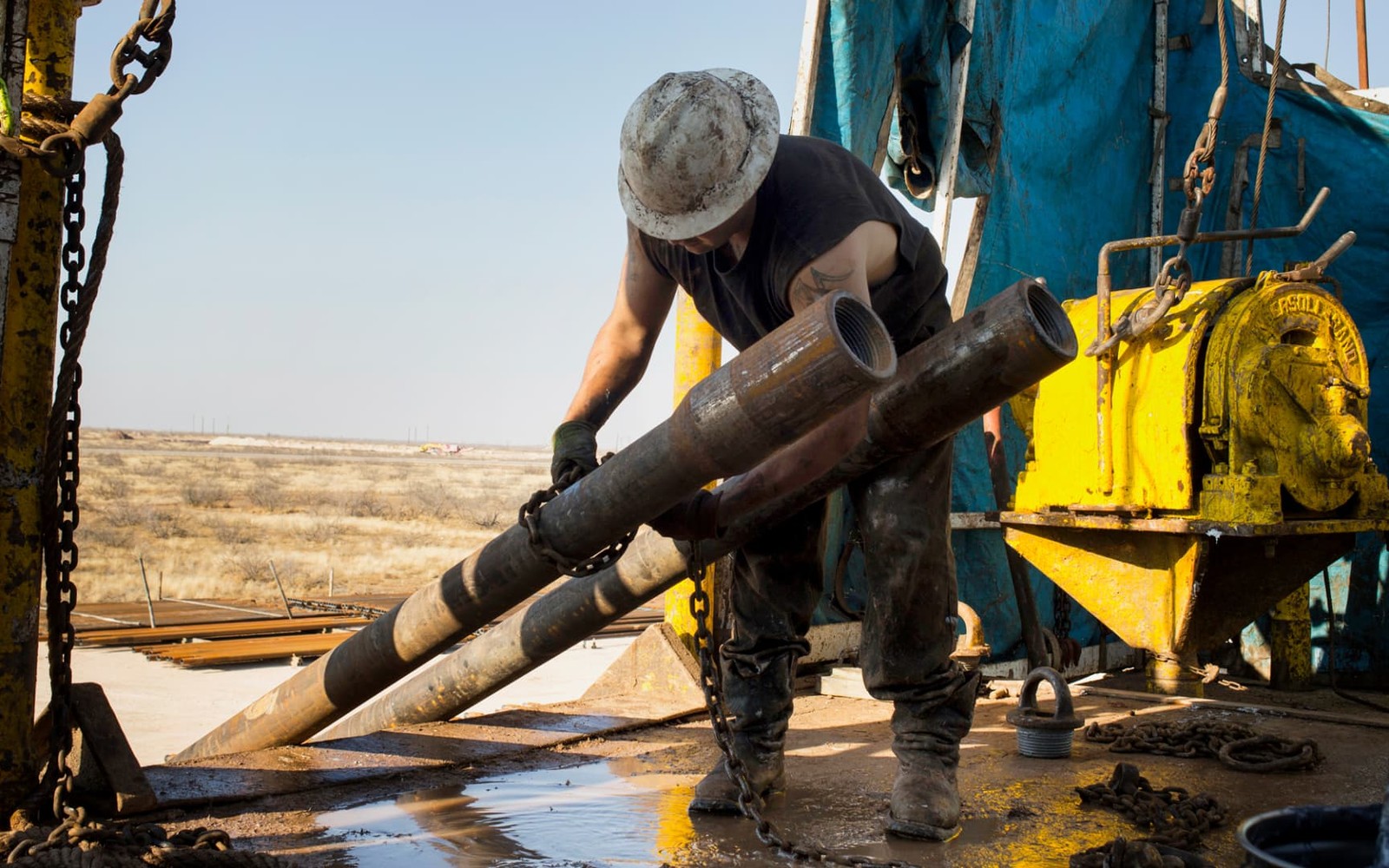
Iraan exists because of the Yates Field, one of the earliest and longest-running major discoveries in the entire Permian Basin, and that century-long production history shapes almost every mineral tract in the area.
Discovered in the 1920s, Yates has produced continuously through nearly every commodity cycle since, largely from shallower San Andres formation wells rather than the deep horizontal Wolfcamp and Bone Spring targets driving headlines elsewhere in the basin. Iraan-area mineral interests tend to reflect that: long-lived, steady, and priced off a very different decline profile than a new horizontal well two counties over.
Why old production here isn't a red flag
A well that's been producing for eighty or ninety years at low but stable rates behaves very differently than a new horizontal well with a steep first-year decline. If your Iraan-area interest is tied to legacy Yates Field production, a knowledgeable buyer should be modeling a long, shallow tail rather than assuming decline patterns from newer basin activity, which would badly undervalue the interest.
Newer activity layered nearby
Pecos County has seen renewed leasing and permitting interest in deeper zones near Iraan as operators look to extend Delaware Basin-style development further into legacy production areas. If your family's minerals sit under or near the historic Yates footprint, it's worth checking whether a newer, deeper unit has been proposed on the same acreage, since that potential is generally valued separately from the shallow legacy production.
That layering, old shallow production plus newer deep potential, is exactly the kind of situation where a quick, single-number offer can leave real value on the table if the buyer hasn't actually looked at both.
Start with the local record trail
A local sale review begins with the county recording office, legal description, deed chain, reservations, lease, units, division orders, payor records, statements, and regulatory well data.
Route local legal questions correctly
Probate, marital property, dormant-mineral law, pooling, recording, transfer tax, regulatory filings, and payor-notice rules differ between Texas and New Mexico counties and belong with qualified advisers.
Midland acquisitions desk
Questions Permian Owners Ask
These answers identify the controlling record, basin fact, title exception, timing issue, or offer term that still needs a documented answer.
Why does the owner's Iraan-area royalty check stay so consistent year to year?
Long-lived shallow wells in mature fields like Yates tend to decline much more slowly than new horizontal wells, so a steady, modest check is typical rather than a sign of a problem.
Is there any new drilling happening near Iraan?
Some deeper-zone leasing and permitting has extended into parts of Pecos County near legacy Yates Field acreage. A recent county records check will show whether that's reached your specific tract.
How is a century-old well valued differently than a new one?
The decline curve is the key difference: an old, slow-declining well supports a valuation based on a long stable tail, while a new horizontal well is priced on a much steeper early decline followed by a long low-rate period. The two require different math.
Who operates most of the production near Iraan today?
Ownership of the historic Yates Field has changed hands over its long history, and a current title or division order review will show exactly who operates your specific wellbore and unit today.
Next property file
Continue the Permian sale brief
County records, deed schedules, producing evidence, and title questions carry straight into each of these connected reviews.
Contact us
Put This Interest on a Permian Sale Brief
Describe the county and state, interest type, producing status, operator or payor if known, recent checks if available, records already gathered, and the decision window.