
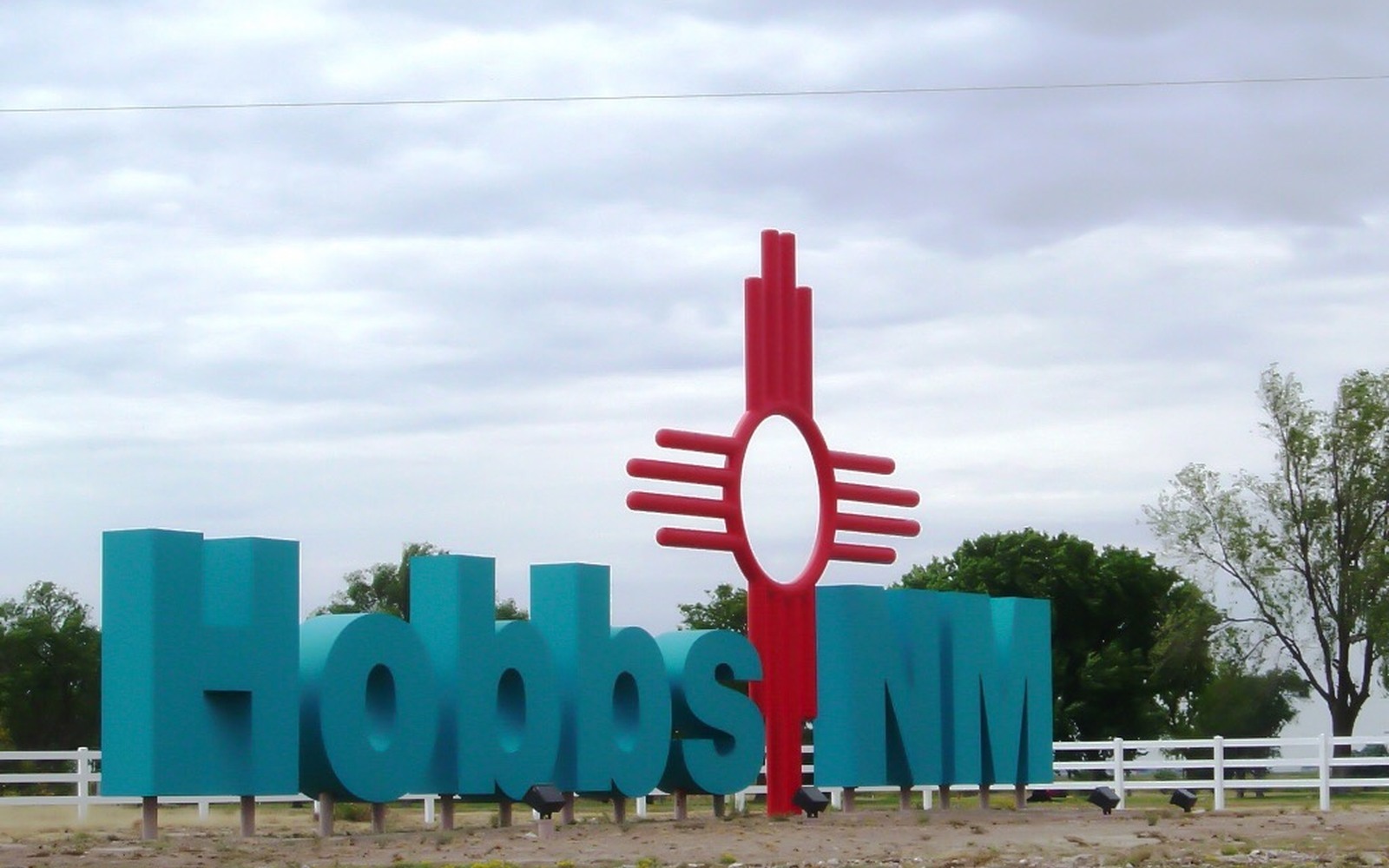
Hobbs is the industrial center of Lea County, and mineral tracts in and around the city sit under some of the most continuously developed acreage in New Mexico's Delaware Basin.
Hobbs grew up on oil, and it still runs on it, with refining and oilfield service infrastructure that supports drilling across the whole of Lea County. For a mineral owner, the city's location matters because it sits close to the primary Bone Spring and Wolfcamp development corridor, where horizontal activity has been steady rather than sporadic for years.
That industrial base also means Hobbs sees more mineral-buying activity, more landmen, more inbound offers, than quieter parts of the basin, simply because so much operator and service-company presence sits within city limits. A higher volume of interest doesn't automatically mean the first offer you get is the strongest one available.
Urban-edge tracts and legacy vertical wells
Some Hobbs-area mineral interests trace back to vertical wells drilled decades before the horizontal boom, sitting on acreage that's since been absorbed into the city's edges or nearby developed sections. If your family's interest goes back that far, a current buyer needs to check whether newer horizontal units have since been formed over the same ground, because that changes the value math considerably from what an old division order alone would suggest.
What development pace near Hobbs actually means
Lea County as a whole sees more consistent permitting than most of the basin, and Hobbs sits close enough to the core that a section near the city is more likely to see back-to-back unit activity than a wait-and-see pattern. That's a meaningful factor when you're deciding whether to sell now or hold for a well that hasn't been drilled yet.
Start with the local record trail
A local sale review begins with the county recording office, legal description, deed chain, reservations, lease, units, division orders, payor records, statements, and regulatory well data.
Route local legal questions correctly
Probate, marital property, dormant-mineral law, pooling, recording, transfer tax, regulatory filings, and payor-notice rules differ between Texas and New Mexico counties and belong with qualified advisers.
Midland acquisitions desk
Questions Permian Owners Ask
These answers identify the controlling record, basin fact, title exception, timing issue, or offer term that still needs a documented answer.
Is Hobbs itself a good indicator of drilling activity on the owner's tract?
Proximity to Hobbs generally correlates with proximity to core Lea County development, but the specific section matters more than the city limits. A landman can check recent permits near your exact tract rather than relying on general city reputation.
the owner's interest is tied to an old vertical well near Hobbs, does it still have value?
Often yes, either from continued production at stripper rates or from newer horizontal potential on the same acreage. The two need to be valued separately rather than blended into one number.
How fast do offers change on Hobbs-area minerals?
Given how active Lea County stays, a valuation can go stale within months if a new well is permitted nearby. It's worth confirming recent activity before accepting any offer.
Does Hobbs's refining and service infrastructure affect the owner's mineral value?
Indirectly. That infrastructure supports continued drilling across Lea County by keeping service costs and logistics manageable for operators, which tends to favor sustained development rather than boom-and-bust cycles near the city.
Next property file
Continue the Permian sale brief
County records, deed schedules, producing evidence, and title questions carry straight into each of these connected reviews.
Contact us
Put This Interest on a Permian Sale Brief
Describe the county and state, interest type, producing status, operator or payor if known, recent checks if available, records already gathered, and the decision window.